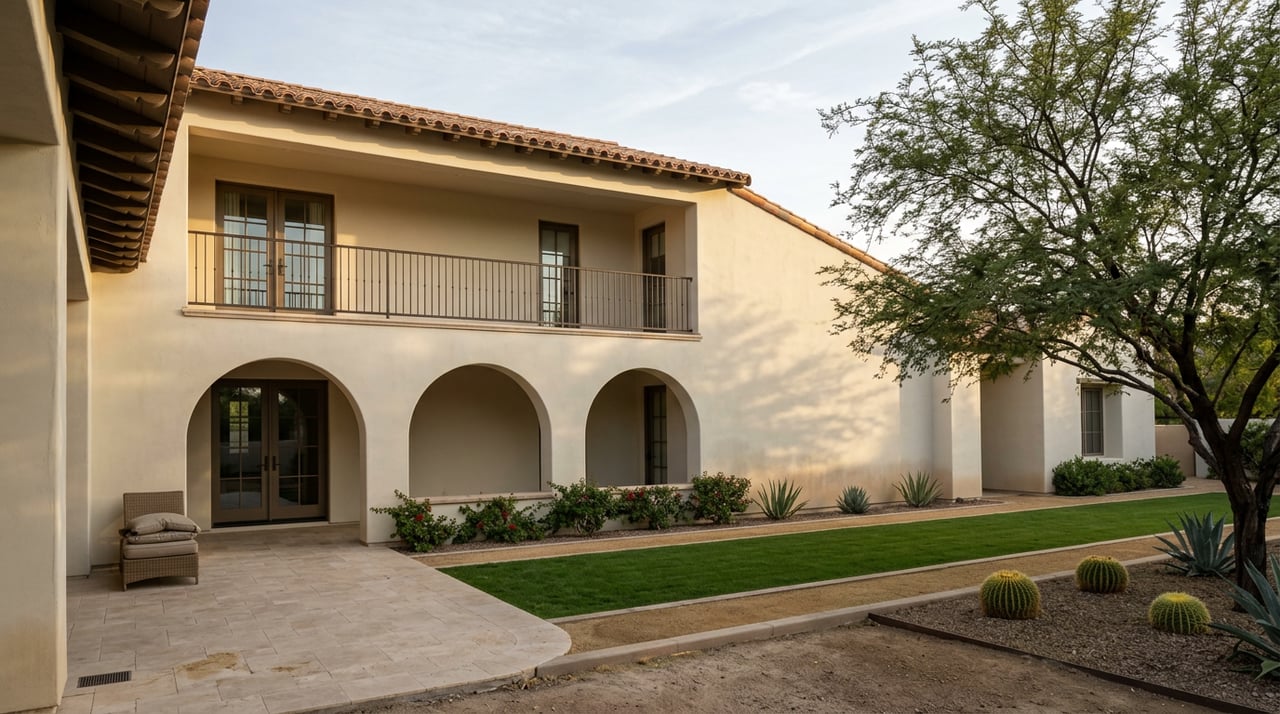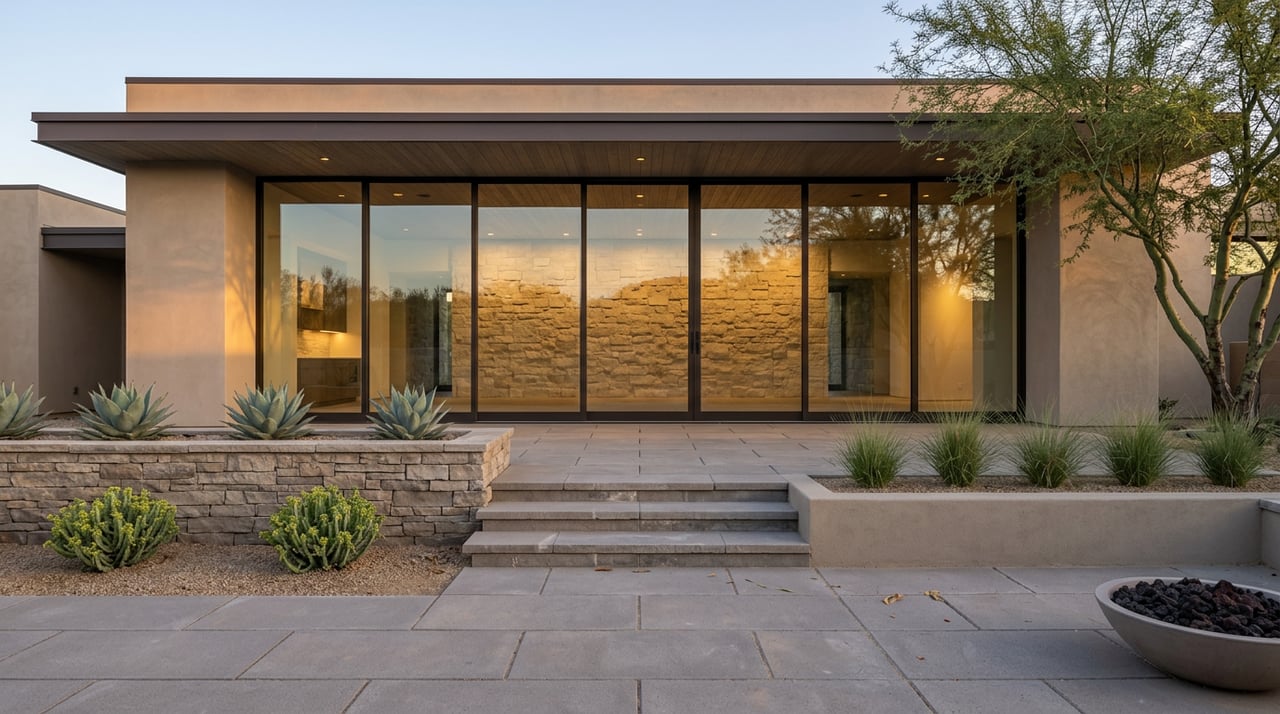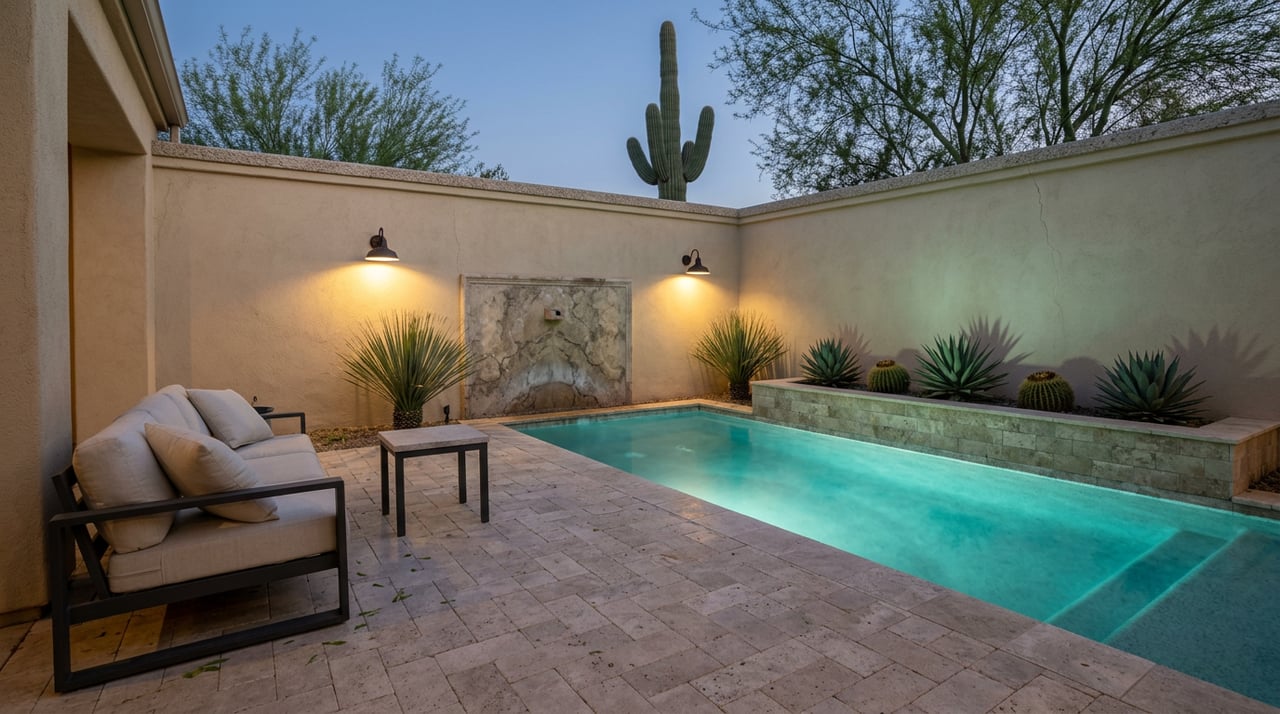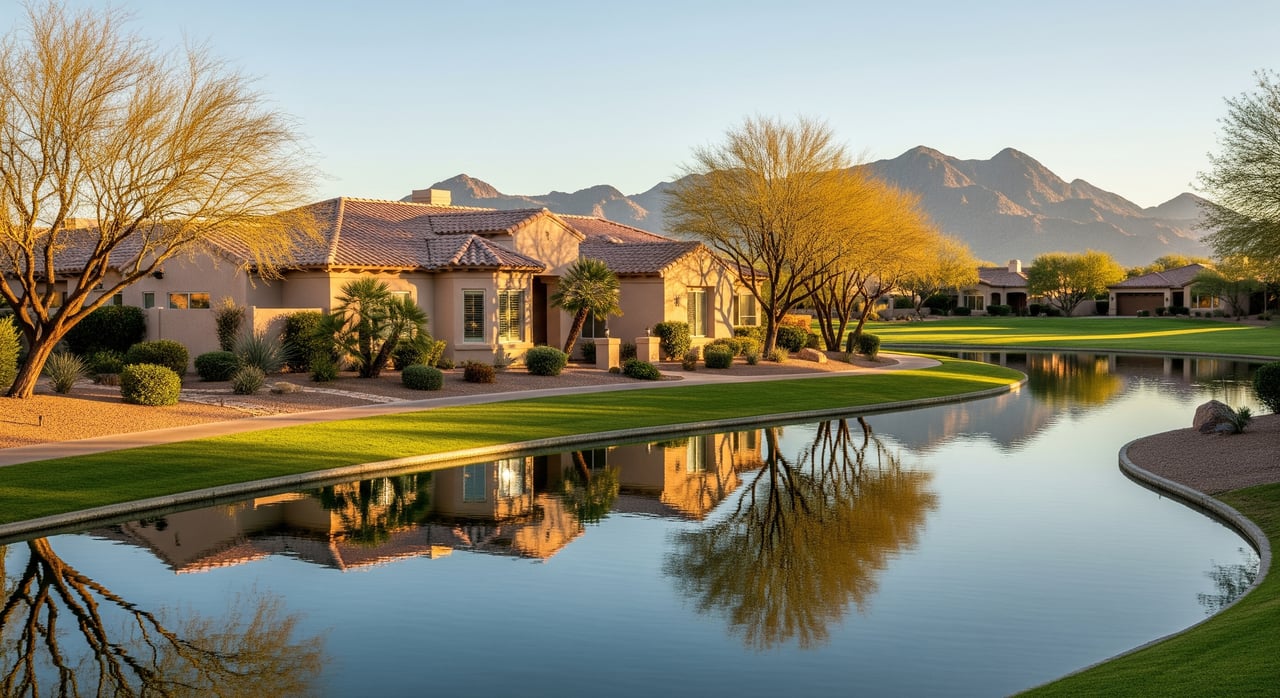
Surprised by how different HOA fees can be from one McCormick Ranch home to the next? You’re not alone. When you shop in this master-planned Scottsdale community, a single property can be part of more than one association, and each fee pays for specific services. In this guide, you’ll learn what HOA fees typically cover, how to judge an association’s financial health, which documents to request, and how to keep your closing on track. Let’s dive in.
How HOAs work in McCormick Ranch
Master vs. neighborhood or condo HOAs
McCormick Ranch includes a master community association plus many neighborhood and condominium sub-associations. The master association usually maintains shared lakes, parks, major landscaping, and some community-wide amenities. Your property may also sit inside a neighborhood HOA or a condo association that handles building exteriors, roofs, pools, and common-area insurance.
One property, multiple assessments
It’s common to pay a fee to the master association and a separate fee to your neighborhood or condo association. Each assessment funds different services. Always verify every association attached to the parcel and how often each fee is billed.
What your fees usually cover
Typical inclusions
Most HOA dues go toward common-area maintenance like landscaping, irrigation, lakes, paths, and parks. Fees also support amenities such as pools, fitness rooms, clubhouses, and tennis courts when provided. Condo associations often include exterior maintenance, roofing, and a master insurance policy for buildings and common areas. Dues also fund management, accounting, legal, and utilities for common spaces, plus any security the community provides.
Common exclusions
Interior maintenance and contents insurance are typically your responsibility. Your individual utilities like water, electric, or gas are usually separate unless the documents state otherwise. You’ll also need your own HO-3 or HO-6 policy for personal coverage. Property taxes are not paid by the HOA.
Beyond monthly dues
Plan for one-time transfer or administrative fees at closing. Associations may levy special assessments for capital projects like road work or major structural repairs. Late fees, fines, and move-in deposits can also apply, especially in condo communities.
How fees are set and adjusted
Budgets and reserve studies
Boards adopt dues based on an annual budget that projects operating expenses and reserve contributions. Professional reserve studies estimate the remaining life and replacement cost of major components. If expenses rise or reserves lag, the board may increase fees to keep the association on sound footing.
Financial health signs
Review the reserve fund balance, the most recent reserve study, and year-to-date financials to see whether revenue aligns with expenses. Look at the delinquency rate, the history of fee increases and special assessments, and any pending litigation. These items reveal how stable the association is and whether large expenses could be coming.
Red flags
Be cautious if there’s no recent reserve study or reserves are underfunded for expected replacements. Frequent or large special assessments, late vendor payments, or a high percentage of delinquent accounts are warning signs. Significant pending litigation mentioned in board minutes or financials can signal future costs.
Documents to request before you commit
Essential resale package items
Ask for the full resale or estoppel package as soon as your offer is accepted. Key items include:
- Resale certificate or estoppel letter defining current dues, unpaid balances, and transfer fees.
- CC&Rs, bylaws, and rules and regulations.
- Current-year budget and recent financial statements.
- Most recent reserve study and any funding plan.
- Board meeting minutes for the past 6–12 months.
- List of approved or pending special assessments and payment schedules.
- Insurance certificate with coverage limits and deductibles.
- Management company and board contact information.
- Disclosure of any pending litigation.
- Rental and occupancy policies, including any leasing limits or short-term rental restrictions.
- Architectural guidelines, procedures, and any open violations.
- Rules on pets, parking, exterior changes, satellite dishes, and signage.
Practical tips on documents
The resale package is the authoritative source for exact fee amounts and balances due. Confirm whether dues are billed monthly, quarterly, or annually, and whether you pay the HOA directly or through a management company. Lenders and title companies rely on the estoppel letter to confirm what must be paid at closing.
Timeline and negotiation tips
Build the right timeline
Request documents early in your contingency period. Some associations take days or even weeks to deliver the resale package. If the HOA requires a buyer application or approval, submit it promptly and build the processing window into your closing plan.
Use findings to negotiate
If you discover low reserves, an impending special assessment, or restrictive rental rules, you can ask for price adjustments or credits. Require the seller to pay any outstanding dues or assessments before closing, and obtain an estoppel letter showing a zero balance at transfer. Consider an HOA contingency that allows you to cancel if the documents are not acceptable.
Special assessments and liens
Clarify whether special assessments are charged to the owner of record at the time of assessment or prorated through closing. Confirm whether the HOA has recorded any liens, which should surface in title review.
Insurance and lending basics
What your policy should cover
The association’s master policy generally covers common areas, and condo policies may insure the building structure. You still need coverage for your interior, improvements, and personal property. Choose an HO-3 policy for single-family homes or an HO-6 policy for condos, tailored to what the master policy includes.
Lender requirements for condos
Lenders often check insurance, reserves, owner-occupancy, and litigation status for condo projects. If a community is underfunded or faces legal issues, certain loans may not be available. Verify these factors early to protect your financing.
What’s unique about McCormick Ranch
Fee variability by property type
Expect a wide range of dues. Condominiums and townhomes usually carry higher monthly fees because the association maintains building exteriors and provides broader insurance. Single-family neighborhoods tend to have lower dues focused on common-area maintenance. Always rely on the property’s resale package for the exact amount.
Amenities and impact on value
McCormick Ranch is known for lakes, parks, trails, and convenient access to Scottsdale’s lifestyle hubs. Well-funded associations with attractive amenities can support property values. Very high dues or strict rental rules can narrow the buyer pool, so balance what you pay with the benefits you receive.
Rental policies and marketability
Many associations set rental and occupancy policies. Review these limits closely, especially if you plan seasonal use or future leasing. Policies vary by association and can affect both financing options and resale appeal.
Quick buyer checklist
- Request the full resale or estoppel package immediately after acceptance.
- Read CC&Rs, bylaws, and rules for rental, pet, and exterior policies.
- Review the budget, financials, and reserve study; flag underfunding or frequent assessments.
- Obtain an estoppel letter before closing to confirm balances and transfer fees.
- Verify whether buyer approval is required and submit applications promptly.
- Confirm HOA status with your lender and title company to avoid financing delays.
- Ask the seller to pay delinquent amounts or provide agreed credits.
- Consult your agent or a real estate attorney if documents raise concerns.
If you want a clear picture of how a specific McCormick Ranch HOA will affect your budget and lifestyle, I’m here to help you review documents and plan a smooth closing. Start a conversation with Unknown Company to get expert, neighborhood-level guidance.
FAQs
How much are HOA fees in McCormick Ranch?
- Fees vary by association and property type. Condos are generally higher per unit than single-family homes. Always confirm the exact amount in the resale or estoppel package.
Are special assessments common in McCormick Ranch HOAs?
- Frequency depends on each association’s reserves and capital needs. Review board minutes and recent assessment history in the resale packet.
Who enforces rules and fines in these associations?
- The board enforces CC&Rs and rules, often through the management company. Fine policies and procedures appear in the governing documents.
Do McCormick Ranch HOAs require buyer approval?
- Many do. Requirements and timelines vary, so factor any application and review period into your closing schedule.
What insurance do I need if I buy a condo in McCormick Ranch?
- You typically need an HO-6 policy for your interior and personal property, while the association’s master policy covers common areas and often the building structure. Verify coverage details in the resale packet.