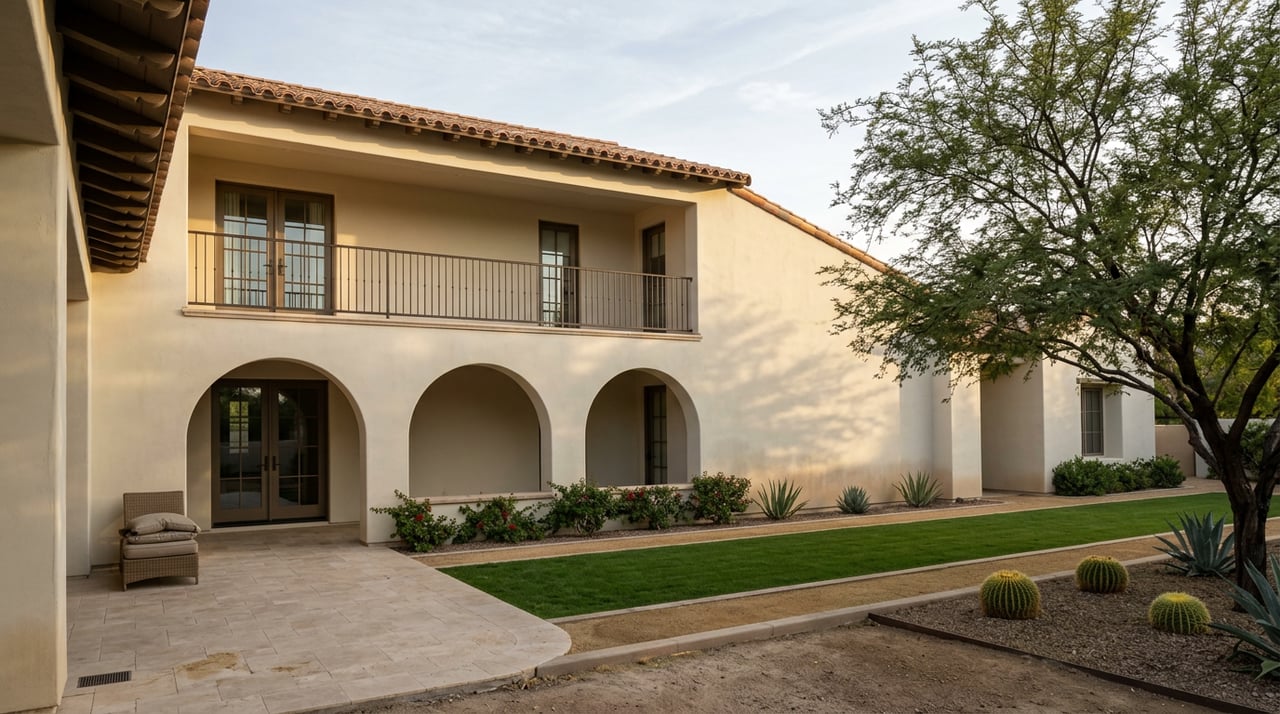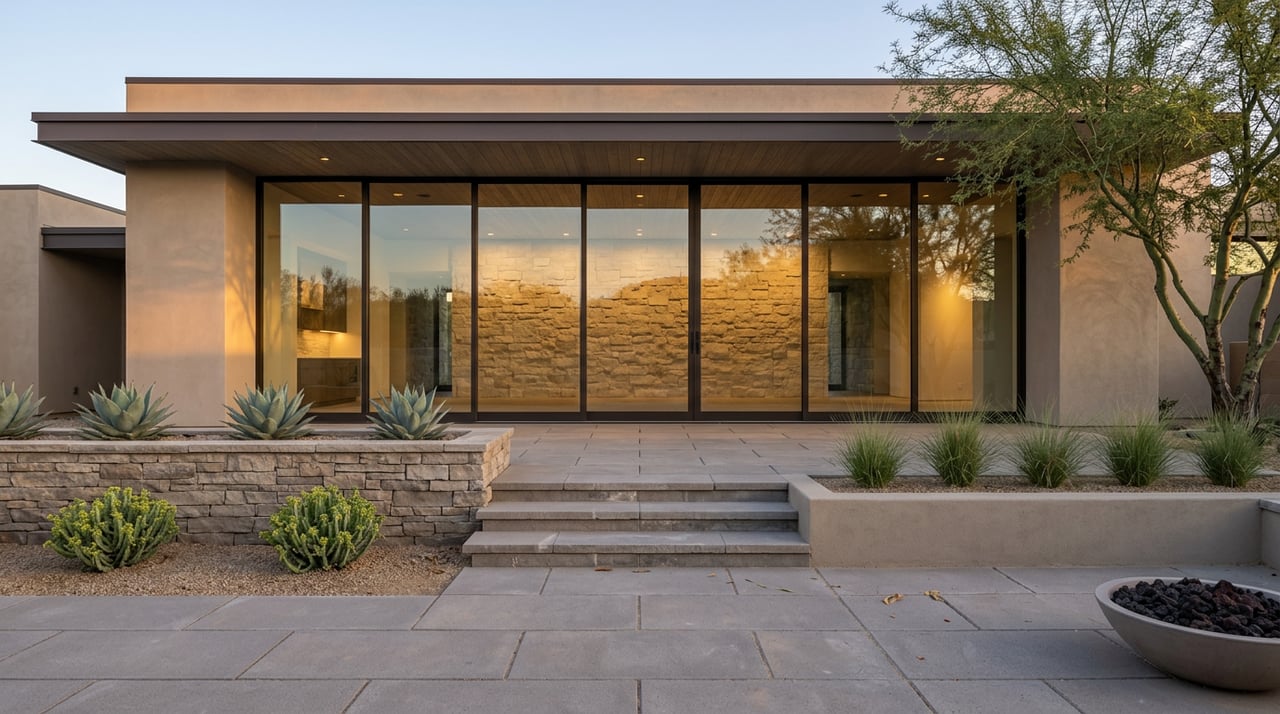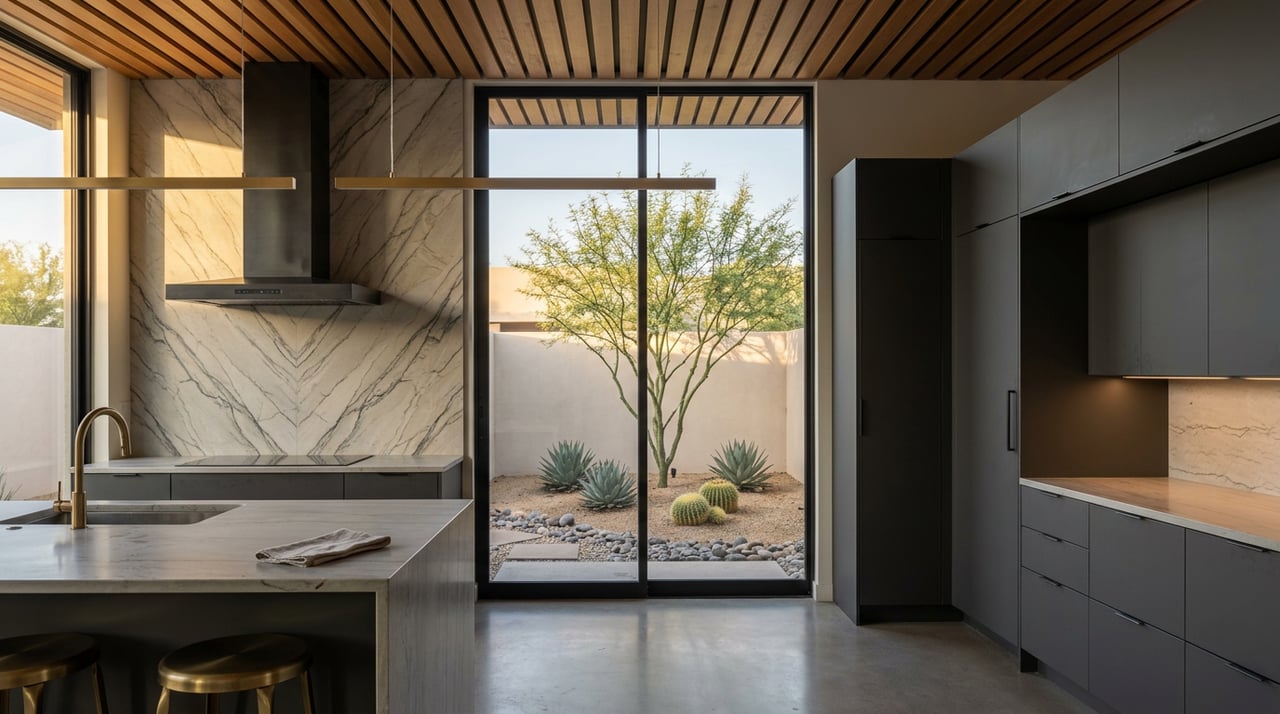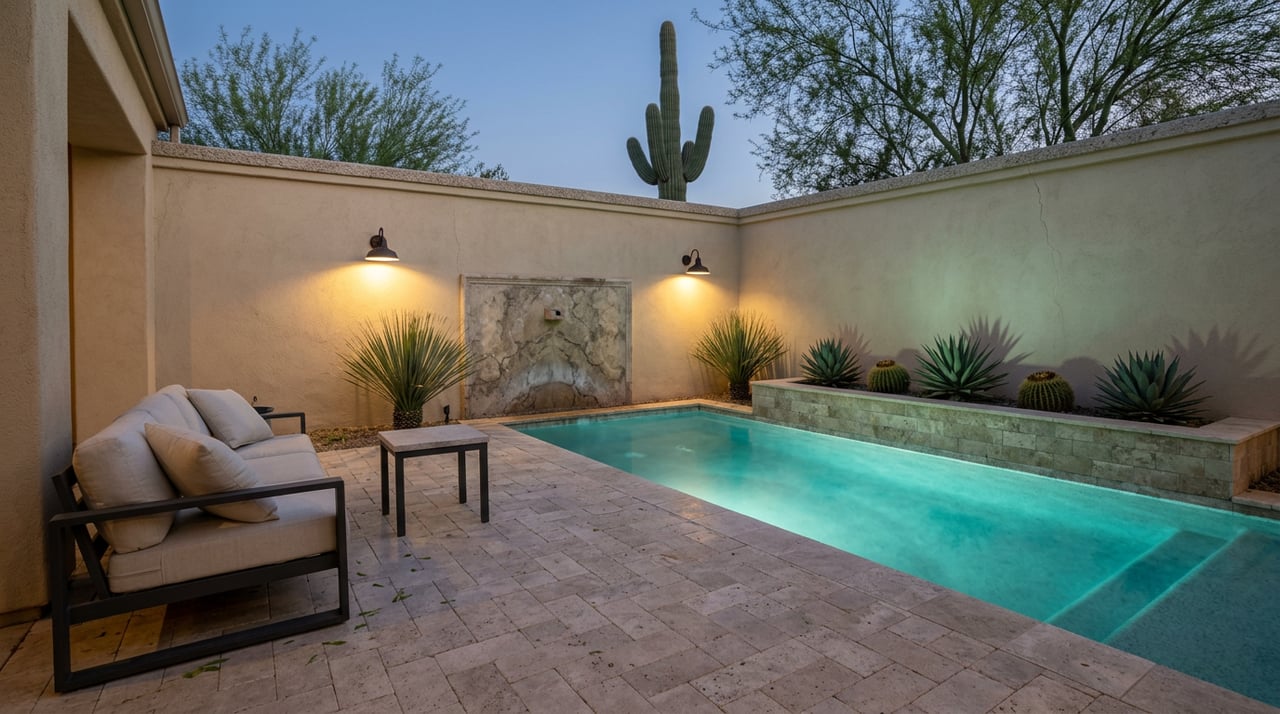
If you are deciding between Phoenix and Scottsdale for a second home, you are really choosing between two different ways to enjoy the Valley. One offers a more urban base with easier entry pricing, while the other leans into a resort-style desert lifestyle with a higher price tag. If you want to match your budget, travel habits, and day-to-day preferences to the right location, this guide will help you sort through the tradeoffs. Let’s dive in.
Phoenix vs Scottsdale at a glance
For many second-home buyers, the biggest difference starts with price and lifestyle. Current market data shows Phoenix at about a $485,000 median listing price, while Scottsdale sits around $1.06 million. That gap alone can shape what type of home you can buy and how often you may want to use it.
Phoenix tends to appeal to buyers who want city access, shorter trips, and a property that works well as a flexible home base. Scottsdale, especially North Scottsdale, tends to attract buyers who want more of a retreat with golf, desert views, and a quieter residential feel. Neither is better for everyone. The right fit depends on how you picture using your second home.
Price point and market entry
Phoenix offers a lower entry point
If budget matters, Phoenix is generally the more accessible option. Realtor.com reports about 7,400 homes for sale in Phoenix, a median listing price near $485,000, and a median of 53 days on market in March 2026. In Downtown Phoenix, pricing moves higher, with Redfin reporting a median sale price around $520,000 and Realtor.com showing a median listing price near $582,000.
That range gives you more flexibility if you want a condo, townhome, loft, or an older single-family home closer to the urban core. For buyers who want a second home without stepping into the luxury tier, Phoenix may offer more options that align with that goal.
Scottsdale sits in a higher tier
Scottsdale is a different market, especially if you are focused on North Scottsdale. Realtor.com shows Scottsdale at about a $1.06 million median listing price with roughly 3,900 homes for sale and a median of 65 days on market. Redfin reported a median sale price of $965,000 in March 2026, while North Scottsdale listings were closer to $1.499 million.
That higher price point often lines up with larger homes, more desert-facing settings, resort-style communities, and luxury finishes. If your second-home search includes golf communities, custom homes, or lock-and-leave luxury living, Scottsdale is often where those options become more concentrated.
Daily lifestyle feels very different
Central Phoenix is more urban and connected
Phoenix works well if you want your second home to feel like a launch point. Visit Phoenix describes Roosevelt Row as a walkable arts district with galleries, restaurants, bars, boutique shops, street art, and monthly First Fridays. The city also highlights Heritage Square, The Square PHX, the Heard Museum, and Phoenix Art Museum as part of the downtown cultural mix.
Transportation is one of Phoenix’s biggest advantages. Sky Harbor is about 4 miles from the city center, and downtown light rail connects to major destinations including the Convention Center, Heard Museum, Phoenix Art Museum, Footprint Center, Chase Field, and CityScape. If you expect frequent in-and-out travel, weekend stays, or a home that supports work and play, that convenience matters.
Scottsdale leans more resort and retreat
North Scottsdale has a more polished suburban-resort character. Experience Scottsdale points to Kierland Commons, Scottsdale Quarter, and the Shops Gainey Village as major hubs for dining, shopping, and entertainment. The area is also near golf courses, Scottsdale Airport, and business parks.
That means your day-to-day experience in Scottsdale may feel less dense and less transit-oriented than central Phoenix. Instead of an urban grid and rail access, you are more likely choosing a setting centered around golf, desert scenery, resort dining, and a calmer residential pace.
Culture and entertainment access
Phoenix puts culture close together
If you enjoy museums, events, sports, and walkable outings, Phoenix offers a strong concentration of attractions in a compact area. Downtown venues and arts districts create a setting where you can do a lot without planning a full day around driving.
That kind of access can be especially appealing for second-home owners who stay for shorter stretches. You can fly in, settle quickly, and enjoy restaurants, games, exhibits, and events without needing the home to function like a full-time retreat.
Scottsdale’s culture is strongest in Old Town
Scottsdale absolutely offers arts and entertainment, but the main concentration is in Old Town and Civic Center rather than the far north. Scottsdale Arts says its Old Town campus includes the Scottsdale Center for the Performing Arts, SMoCA, and Civic Center events. Experience Scottsdale says Old Town has more than 100 restaurants, more than 30 galleries, and two museums within just over one square mile.
For second-home buyers, that matters because “Scottsdale lifestyle” can mean different things depending on the part of the city you choose. If you buy in North Scottsdale, you may be prioritizing resort living and desert access first, with arts and cultural destinations a drive away rather than right outside your door.
Housing stock and neighborhood character
Phoenix offers more variety in home types
City of Phoenix planning materials describe a mix of single-family homes, duplexes, townhome projects, and multifamily development. Midtown planning materials also point to a blend of older single-family homes and newer multifamily units. Phoenix’s historic preservation program adds another layer for buyers who appreciate established neighborhoods and historic homes.
In practical terms, central Phoenix often gives you more choices if you want a condo, loft, townhouse, or a smaller detached home near the city core. That variety can make Phoenix appealing if low maintenance and flexibility are high on your list.
Scottsdale emphasizes desert-oriented residential living
Scottsdale’s General Plan describes Rural Neighborhoods as larger-lot single-family areas, while Suburban Neighborhoods include single-family homes with some townhomes and patio homes. Resort and Tourism areas can include resort communities and medium-density housing with a resort character. The Desert Foothills Character Area Plan also emphasizes custom and semi-custom homes, desert-sensitive building, and preserved open space.
This helps explain why North Scottsdale often feels more tailored to buyers seeking detached homes, golf community properties, mountain views, and a stronger sense of space. If your second home is meant to feel like an escape, Scottsdale’s housing character may line up more closely with that goal.
Outdoor access in both markets
Phoenix surprises many second-home buyers
Phoenix is not only about downtown living. South Mountain Park and Preserve spans more than 16,000 acres and offers more than 100 miles of trails. The Phoenix Mountains Preserve also brings hiking, biking, and summit views into central parts of the city.
That gives Phoenix an interesting mix of city convenience and outdoor access. If you want museums one day and trail time the next, Phoenix can support both without requiring a fully resort-style location.
Scottsdale centers the desert experience
Scottsdale’s preserve system is a major draw for many second-home buyers. The McDowell Sonoran Preserve focuses on permanent preservation of Sonoran Desert land and the McDowell Mountains, reinforcing Scottsdale’s emphasis on outdoor access and open desert character.
If your ideal second home includes morning walks, mountain views, and a stronger connection to preserved desert surroundings, Scottsdale often delivers that feeling more directly. It is a different rhythm from central Phoenix, and for many buyers, that is the point.
Short-term rental rules to know
If you plan to rent out your second home when you are not using it, local rules matter. Arizona law does not allow cities to ban short-term rentals solely based on classification, but cities can regulate safety and neighborhood impacts.
Phoenix requires a short-term rental permit, neighbor notice, documentation, and display of the permit number on advertisements. Phoenix also does not allow an accessory dwelling unit to be used as a short-term rental. Scottsdale requires a city license for rentals under 30 days, Maricopa County registration, notice and safety compliance, and city-specific pool barrier requirements for short-term rentals with pools, hot tubs, or spas.
For investor-minded buyers, that means both markets allow short-term rentals, but the compliance steps are not identical. It is smart to factor those requirements into your search before choosing a property.
Which second-home buyer fits Phoenix?
Phoenix may be the better choice if you want:
- A lower entry price
- A condo, loft, townhome, or smaller urban home
- Quick access to Sky Harbor
- Light rail and walkability near entertainment
- A second home that works as a frequent-use city base
- A blend of urban convenience and in-city outdoor access
If you expect to visit often for shorter stays, work remotely during part of the trip, or want easy access to sports, museums, and dining, Phoenix may feel more practical and more versatile.
Which second-home buyer fits Scottsdale?
Scottsdale may be the better choice if you want:
- A more retreat-like second home
- Golf, resort dining, and desert views
- Larger lots or detached luxury homes
- Access to preserve areas and outdoor recreation
- A quieter residential setting
- A lock-and-leave property in an upscale lifestyle environment
For many buyers, Scottsdale shines when the goal is not just to own in the Valley, but to create a desert lifestyle experience. That is especially true in North Scottsdale, where housing, open space, and amenities often align with seasonal and luxury second-home use.
The bottom line on Phoenix vs Scottsdale
If you are choosing between Phoenix and Scottsdale for your second home, start with how you want the property to serve you. Phoenix is generally the stronger fit if you want value, urban energy, airport access, and a flexible home base you can use often. Scottsdale is often the stronger fit if you want a higher-end retreat centered around golf, desert scenery, and a more relaxed residential setting.
The best choice is usually not about which city is more popular. It is about which one matches your budget, your travel style, and the kind of time you want to spend when you are here. If you want help comparing neighborhoods, home types, and second-home options across Phoenix and Scottsdale, Christina Rathbun can help you narrow the search with local insight and a concierge approach.
FAQs
Is Phoenix or Scottsdale more affordable for a second home?
- Phoenix is generally more affordable, with a median listing price around $485,000 compared with Scottsdale at about $1.06 million.
Is North Scottsdale better than central Phoenix for a luxury second home?
- North Scottsdale is often the better fit for buyers seeking larger homes, golf-oriented communities, desert views, and a more retreat-like luxury setting.
Is central Phoenix a good location for a part-time home?
- Yes. Central Phoenix can work well as a part-time home because it offers quick airport access, light rail connections, dining, arts, sports, and outdoor recreation within the city.
Can you use a second home as a short-term rental in Phoenix or Scottsdale?
- Yes, both cities allow short-term rentals under Arizona law, but each city has its own permit, licensing, notice, and safety requirements.
What type of second home is more common in Phoenix versus Scottsdale?
- Phoenix often offers more condos, lofts, townhomes, and older urban homes, while Scottsdale more often aligns with detached homes, resort-style residences, and larger-lot desert properties.