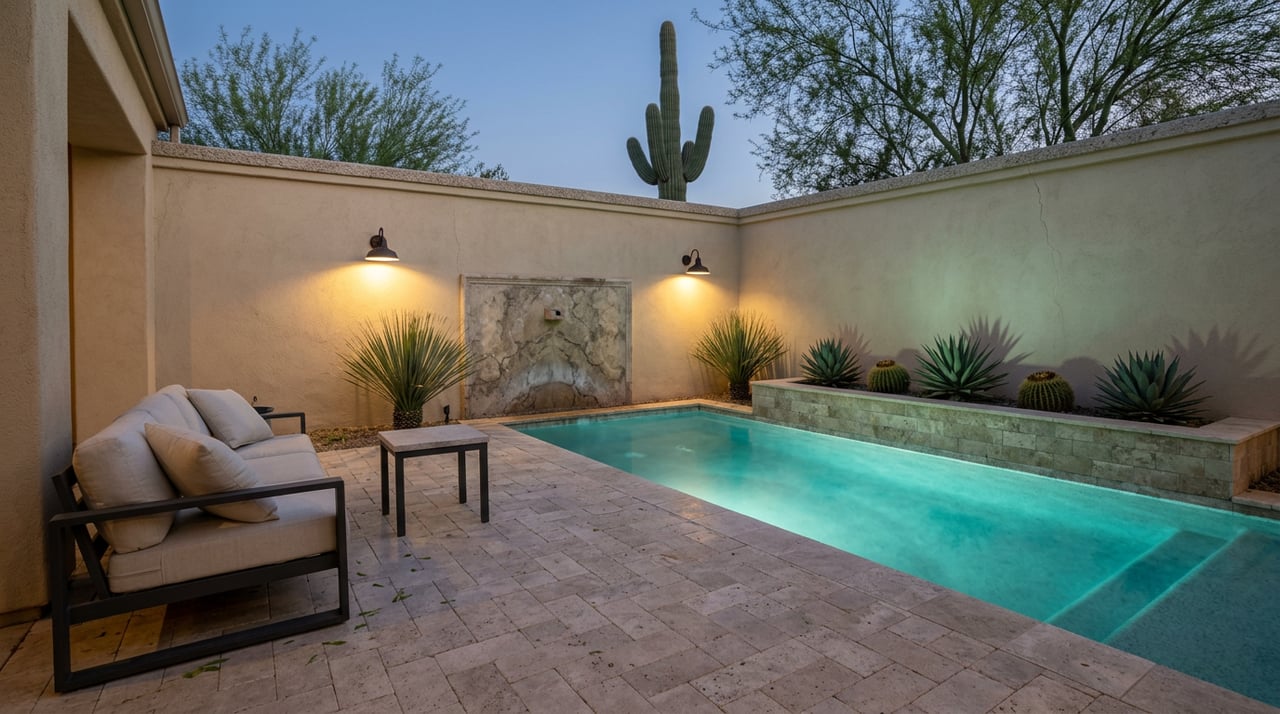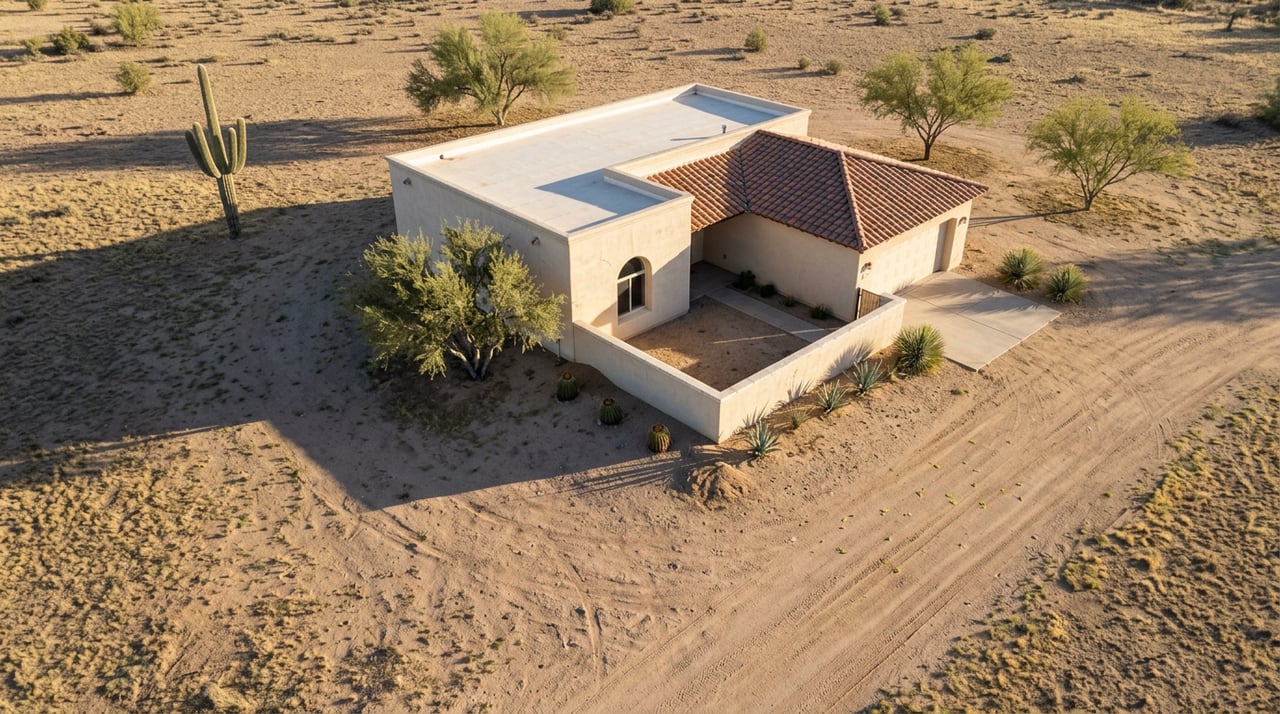
Ask a seller in Grayhawk or DC Ranch what could delay their closing, and they'll usually name the same suspects: appraisal gaps, a slow lender, a buyer's cold feet. Ask a seller getting ready to list five acres off Spur Cross Road, and the honest answer is often something nobody warned them about until it was already a problem: the paperwork on their septic system has an expiration date, and Cave Creek's own market pace makes it easier to miss than most sellers assume.
Here's the mechanism most listing guides skip past. Arizona doesn't require a septic inspection at closing the way it requires a title search. It requires one within a specific window before closing, under Arizona Administrative Code R18-9-A316, and that window is six months. Get the inspection too early, thinking of it as a box to check off before you even put the sign in the yard, and you can watch that six months run out while your home is still sitting on the market waiting for the right buyer.
The Rule Itself Is Simple. The Timing Isn't.
Maricopa County spells out the mechanics plainly: anyone selling a property served by a conventional septic system or an alternative on-site system has to retain a qualified inspector to check the facility, and that inspection has to happen within six months of the date ownership actually transfers. The inspector fills out a Report of Inspection, the seller hands it to the buyer before closing, and the buyer files a Notice of Transfer with Maricopa County Environmental Services within 15 calendar days after the deal closes, along with a $50 fee per parcel. The county's own rule is explicit that this requirement overrides anything else in the contract:
"takes precedence over any conflicting terms that may exist in any contract"
That single line matters more than sellers realize. It means a buyer and seller can't simply agree to skip or delay the inspection because the contract is silent on it. The clock runs regardless of what else is negotiated.
Most of the sellers I talk to hear "inspection required before transfer" and assume it works like a home warranty, something you line up once and forget. In practice, it's closer to a countdown. If your inspection is dated in February and your closing doesn't happen until September, the report has already expired and you need a new one, sometimes with a fresh pump, right in the middle of an active transaction.
Where Cave Creek's Own Pace Works Against the Clock
This is where the local market actually changes the math. Cave Creek isn't McCormick Ranch or Grayhawk, where a well-priced home under contract in three weeks is routine. Acreage and equestrian listings here have recently taken anywhere from roughly 70 to well over 100 days on market depending on price tier and presentation, with the slower end concentrated in the higher-priced custom and horse properties that make up so much of Cave Creek's inventory. A lot of that buyer pool is coming from out of state, often Chicago, Seattle, or California, and they tend to take multiple trips and a genuinely deliberate pace before writing an offer. That's not a weakness in the market. It's just how this particular buyer shops.
Stack that market pace against a six-month inspection window and the collision becomes obvious. A seller who gets the required inspection done the week before listing, then spends two or three months finding a buyer, then adds several more weeks for escrow to fund and record, can land right at the edge of that six-month mark, or past it, especially if the first accepted offer falls through and the home has to relist. When that happens, the fix isn't just paperwork. It's often a second inspection and, depending on the tank's condition, another pump, arranged under time pressure while a live contract is waiting.
The better sequence is the opposite of what feels intuitive. Instead of ordering the septic inspection before you list, order it once you're under contract with a real closing date on the calendar. That keeps the six-month window working for you instead of against you, and it avoids paying for an inspection twice on a property that may sit for a season before the right buyer shows up.
Horse Rights Aren't Automatic Just Because There's Land
The septic clock is the friction point that catches people by surprise mid-transaction. The zoning question is the one that surfaces earlier, usually during marketing, and it's worth getting right before the first showing.
Cave Creek's zoning allows horses on most residential parcels, but "most" isn't "all," and the acreage threshold matters. Under the Town's Desert Rural zoning, private ranch use generally requires at least two contiguous acres under single ownership, while anything that starts to look like a commercial operation, boarding, lessons, an arena advertised for outside use, needs at least five contiguous acres and separate special-use approval. A listing that markets "room for horses" on a 1.4-acre parcel is making a claim the zoning may not actually support, and that's exactly the kind of gap a buyer's due diligence catches during escrow rather than before the offer.
There's a second wrinkle specific to this zip code. Not every address with a Cave Creek mailing address sits inside the incorporated Town limits. A meaningful share of the area's most desirable acreage, including a lot of what gets marketed as "County Island," actually falls under unincorporated Maricopa County rather than Town of Cave Creek jurisdiction. That distinction determines which rulebook governs setbacks, site disturbance limits, and what counts toward the acreage threshold for keeping horses. Two properties a quarter mile apart can answer the same zoning question differently depending on which side of that line they sit on.
No HOA Means No One Else Is Holding the File
Part of what draws buyers to Cave Creek in the first place is the freedom of a market where a large share of properties carry no HOA at all. That freedom is real, and it's part of why no-HOA acreage tends to command a premium here that doesn't really exist in the gated, deed-restricted communities closer to Scottsdale. But it comes with a quieter tradeoff. In a managed community, an HOA or management company often keeps a file on shared infrastructure and can answer basic questions about what's permitted. On unrestricted acreage, that file doesn't exist. The septic permit history, the well production records, the zoning classification, all of it lives with the owner, or it doesn't live anywhere at all.
That's the throughline connecting the inspection clock and the zoning question. Nobody else is tracking either one on the seller's behalf. Local septic providers who work this area regularly, companies like Cave Creek Septic Service, which has been pumping tanks in this zip code since 1979, and Black Mountain Septic Services, know the six-month rule because they get the panicked call when a report has lapsed mid-escrow. Getting ahead of that call is the difference between a smooth close and a scramble.
A Better Order of Operations for Cave Creek Sellers
Before you list a septic or well property here, it's worth working through a short sequence rather than treating the paperwork as an afterthought:
- Confirm whether your parcel sits inside the Town of Cave Creek or in an unincorporated county island, since that determines which zoning rules actually apply
- Verify your contiguous acreage against the two-acre and five-acre thresholds before advertising any horse-related use
- Pull together your existing septic permit, past pump records, and any prior inspection reports so a new inspector isn't starting from zero
- Hold off on ordering the state-required transfer inspection until you have an accepted offer and a real closing date, not simply because you're preparing to list
- Ask your inspector directly how long their Report of Inspection will remain valid against your specific closing timeline
None of this changes what the home is worth. It changes whether the paperwork is ready to move at the same pace as the sale.
A Few Questions Sellers Ask
Does every home in Cave Creek use a septic system? No. Closer-in and planned pockets are more often connected to municipal water and sewer, while outlying acreage more commonly relies on a private well and septic. It depends entirely on the specific parcel.
What happens if the inspection finds a problem? The Report of Inspection has to note any deficiencies, and those generally need to be resolved before the property can transfer, which is one more reason to build in time rather than ordering the inspection at the last possible moment.
Does the buyer or the seller pay for the inspection? Arizona's rule places the responsibility on the seller to retain the inspector, though the specifics of who covers the cost can still be negotiated as part of the purchase contract.
If you're weighing when to start that six-month clock on a Cave Creek acreage or horse property, or you want a second set of eyes on whether your zoning actually supports the way you're planning to market the land, I'd rather help you sequence it correctly than have it surface as a surprise in escrow. Reach out to Desert Living Properties and let's map your listing timeline against the paperwork before the sign goes in the yard, or start with a home valuation to see where your property stands today.