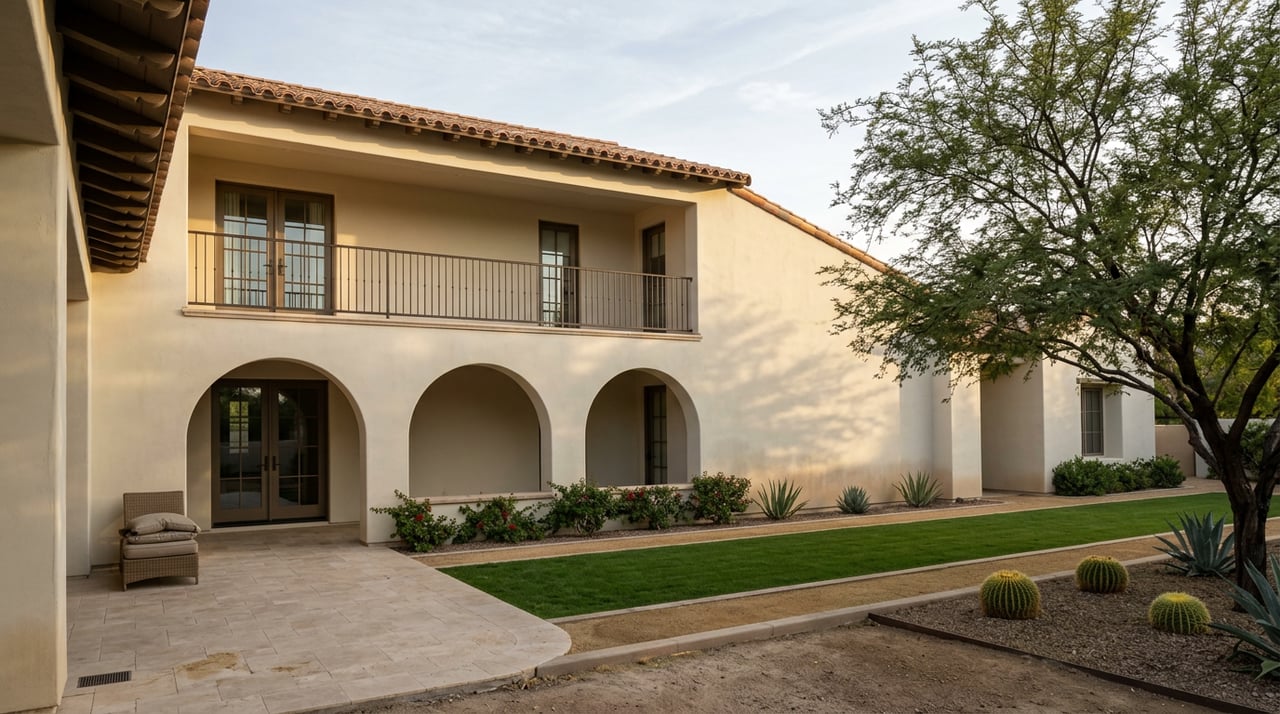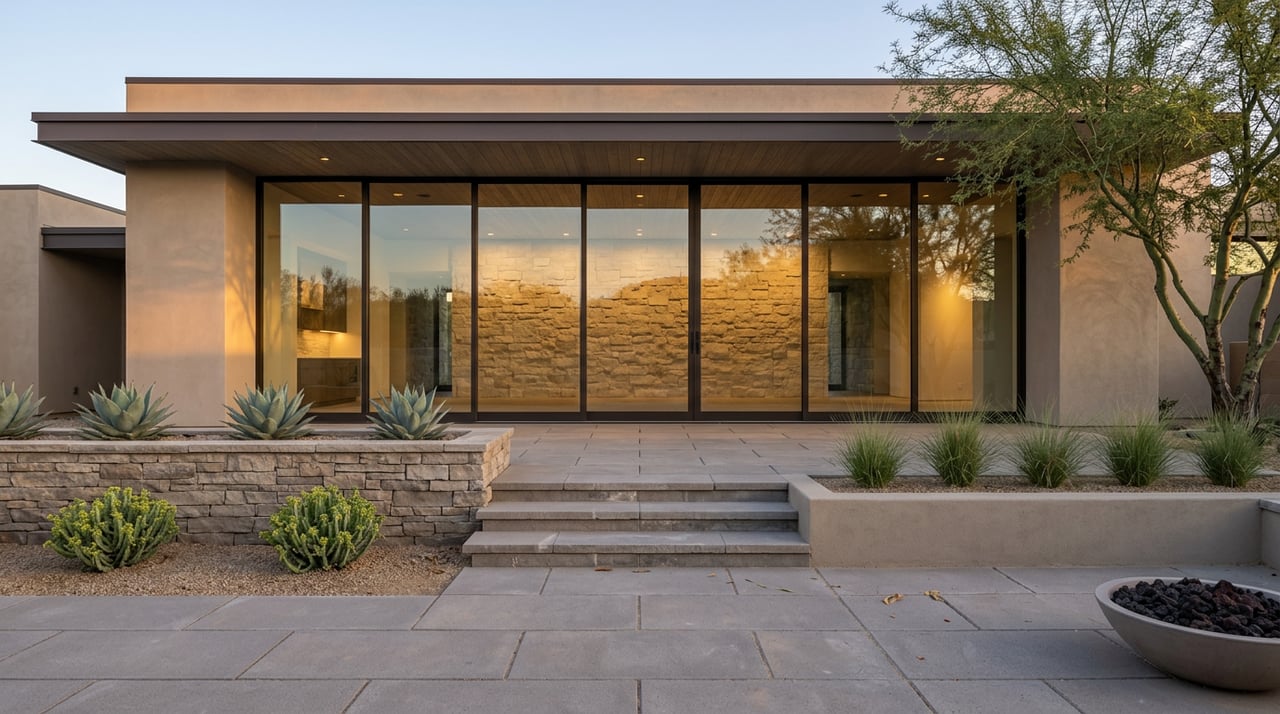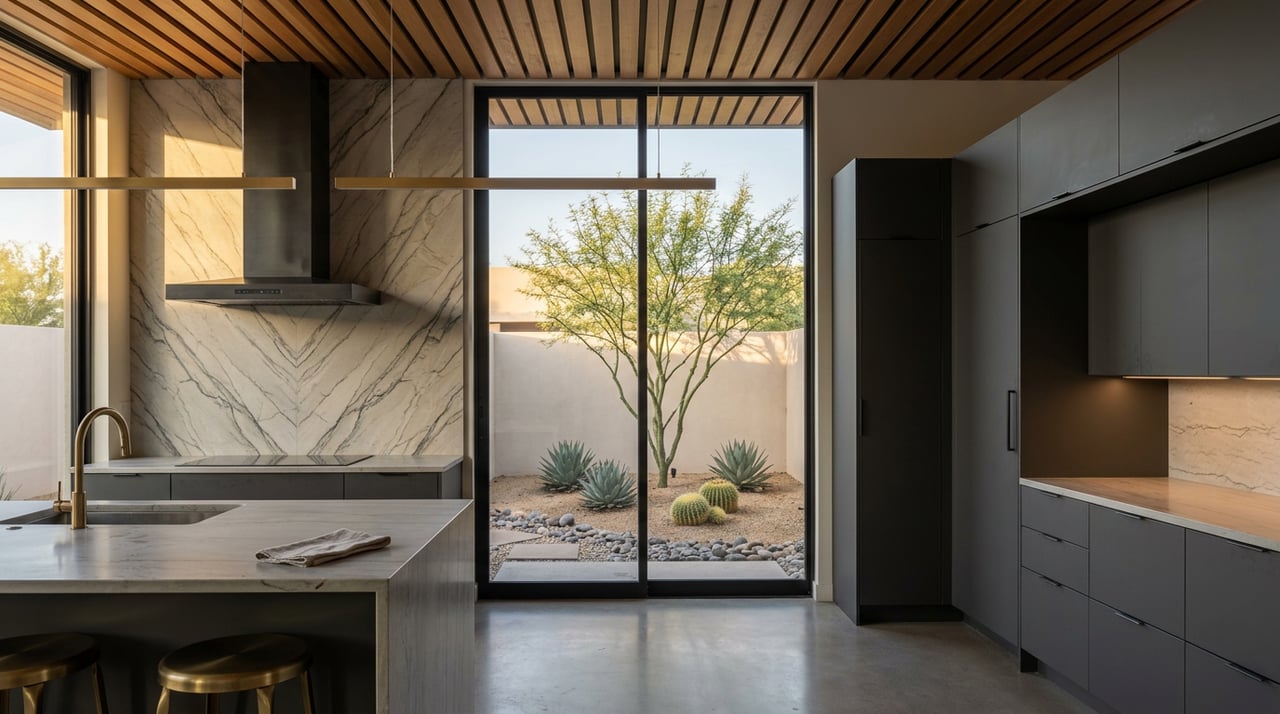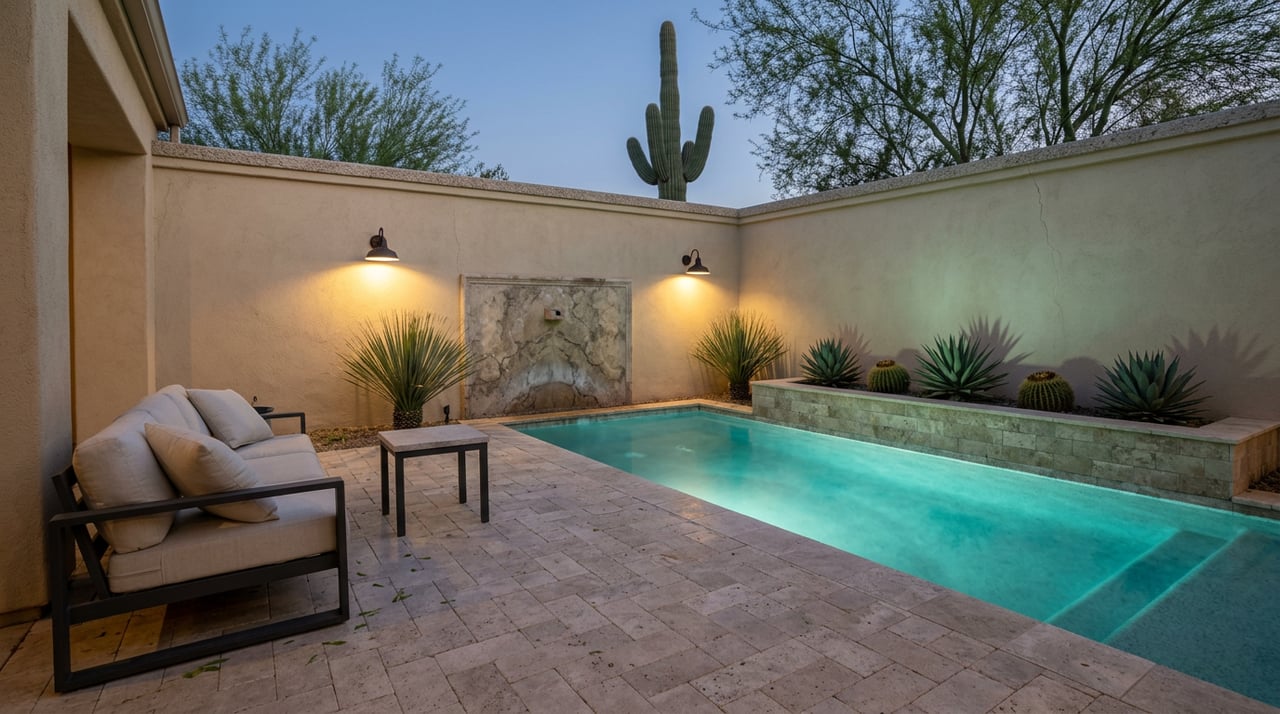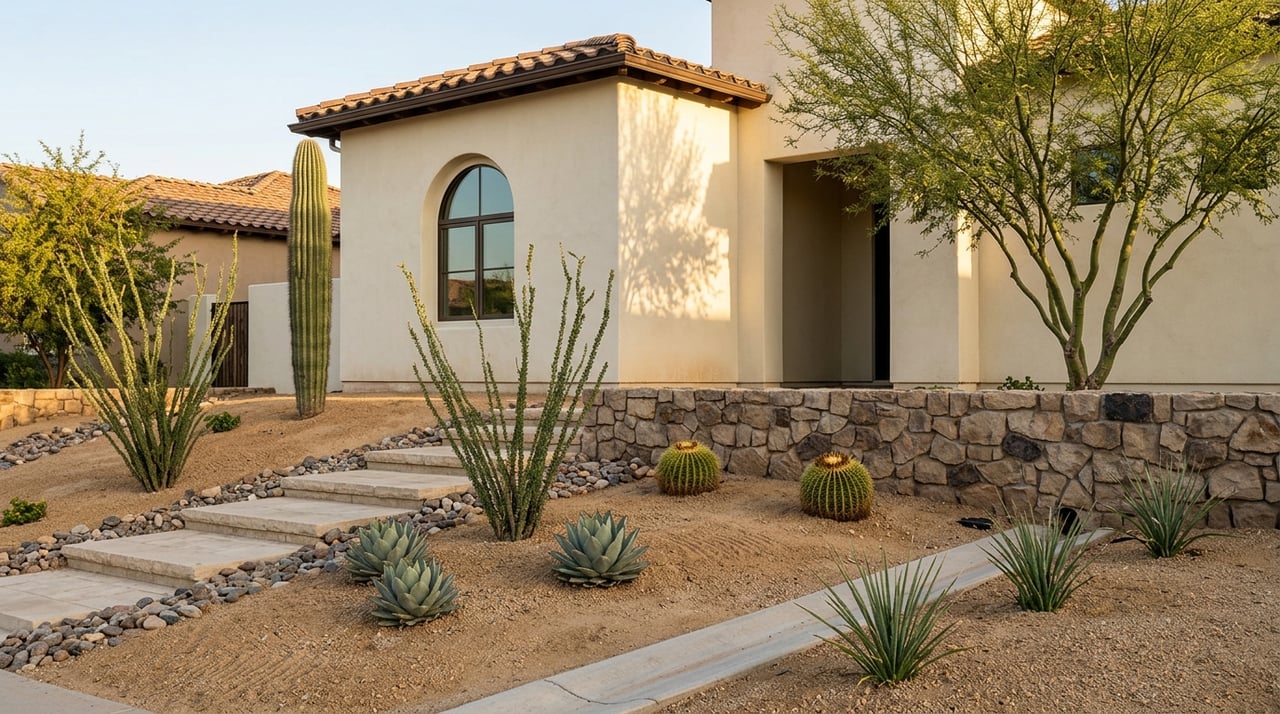
If you are thinking about buying land or a custom-home site in Cave Creek, it is easy to fall for the views first and ask questions later. That can be an expensive mistake. In Cave Creek, lot size, zoning, access, slope, washes, and utility availability can all change what you can actually build and what it may cost, so a careful review up front can save you time, money, and frustration. Let’s dive in.
Why Cave Creek land is different
Cave Creek has a distinctly rural desert setting, and that is part of its appeal. You will see open space, trails, private roads, and washes throughout the area, and the Town notes that roads, trails, and washes can become impassable during extreme weather, which makes site-specific evaluation especially important for buyers considering land or custom-home sites in the area.
Another key point is that a Cave Creek mailing address does not always mean the property is inside the Town of Cave Creek. According to the Town’s guidance on doing business in Cave Creek, your first due-diligence step should be confirming whether a parcel falls under Town jurisdiction or Maricopa County jurisdiction. That one detail can affect zoning, utilities, review processes, and what rules apply to your project.
It also helps to understand what the Town’s planning documents do and do not mean. The Cave Creek General Plan serves as a land-use guide, but it does not change existing zoning. If you are evaluating a parcel for a future build, the current zoning and site conditions matter more than broad assumptions about future land use.
Start with jurisdiction and zoning
Before you focus on design ideas, verify how the parcel is regulated. For many buyers, this is the most important first step because zoning controls minimum lot sizes, setbacks, density, and other limits that directly affect custom-home potential.
Cave Creek’s residential zoning includes Desert Rural, Single Residence, and Multiple Residence districts. For custom-home buyers, Desert Rural, or DR, is often the category that defines the classic Cave Creek feel. The Town states that DR is intended to protect scenic vistas, habitats, hillsides, and washes, and it allows one principal dwelling per lot of record.
Within DR zoning, minimum lot sizes can vary significantly. The Town’s residential ordinance shows DR categories ranging from DR-190 to DR-43, with minimum lot sizes from 190,000 square feet down to 43,000 square feet. By comparison, Single Residence zones include R-35 and R-18, which require minimum lots of 35,000 and 18,000 square feet.
That sounds straightforward, but lot size alone does not tell you what can be built. In Cave Creek, the actual buildable portion of a site can be much smaller than the gross parcel size once you account for setbacks, the development envelope, topography, access, septic area, and other constraints.
Buildable area matters more than raw acreage
One of the most common mistakes land buyers make is assuming a large lot automatically equals a large, easy building site. In Cave Creek, the Town defines buildable area as the portion of the lot inside the development envelope and required setbacks, and land disturbance can include lot coverage, driveways, and septic systems.
That means a parcel’s shape, slope, and drainage pattern can heavily influence what is practical. A property may look generous on paper, yet still require a more compact home footprint, a longer driveway, more grading, or more technical site planning than expected.
Desert Rural zoning adds another layer. The ordinance requires a 12-foot Native Habitat Corridor measured inward from all property lines, and that corridor must remain in a natural, undisturbed state except for approved driveways, utility lines, and certain boundary markers. For buyers who want privacy and a natural desert setting, this can be a positive feature, but it also reduces the area available for improvements.
Legal access is not optional
In rural and semi-rural areas, access issues can be easy to overlook until you are deep into escrow. Cave Creek defines legal access as a continuous easement or dedicated right-of-way at least 20 feet wide all the way to a public right-of-way.
That matters because a parcel can have beautiful views and a desirable setting but still be more difficult to finance or build on if access is unclear or inadequate. If you are evaluating land in Cave Creek, you want to confirm access early, not after you have already invested in inspections and design work.
The Town also cautions prospective owners that private roads, trails, and washes may become difficult or impossible to use during extreme weather. In practical terms, access is not just about a legal description. It is also about how the property functions day to day and how emergency access may work during monsoon conditions or other weather events.
Utilities can change your budget fast
Utility planning is one of the biggest cost variables when buying land in Cave Creek. Some parcels may have access to Town services, while others may need well and septic solutions, which can add time, studies, permits, and cost.
According to the Town’s Utilities Department, Cave Creek manages drinking water for Cave Creek and the Desert Hills Water System, along with the Town sanitary sewer system and wastewater treatment plant. Sewer service is only available in part of town, and where it is available, hookup may be mandatory.
Residential utility providers are a mix of public and private entities. The Town’s Residential Services page identifies APS for electricity, Southwest Gas for natural gas, and private haulers for trash service.
Current utility costs should also be part of your analysis. Under the Town’s 2026 comprehensive fee schedule, the monthly Cave Creek water base charge for a 5/8-inch to 1-inch meter is $65.04, while the Desert Hills equivalent is $80.76. Residential wastewater in Cave Creek is $95.24 per month, and the Town notes that some accounts are boosted, which means extra pumping power is needed to deliver water.
There are also one-time charges to plan for. The Town charges a $20 water-service establishment fee, and capacity fees apply to new development or new water and sewer service. In Desert Hills, the Town states that the capacity fee is due when the new water meter is requested.
If there is no Town water or sewer
Not every custom-home site in the area will connect to Town utilities. If a parcel is not served by Town water, the Town directs buyers to Arizona Department of Water Resources well permitting. The Town’s notice to prospective property owners explains that parcels of 5 acres or fewer using domestic well water need county or local health review before submittal.
For wastewater, Maricopa County handles onsite systems. The County’s onsite wastewater forms and applications page shows the process begins with site-and-soils evaluation and septic permitting. If you are buying land without sewer service, confirming septic feasibility before closing is a smart move.
This is also a good time to think about water planning more broadly. The Town says its primary drinking water source is Colorado River water delivered through CAP, and it is planning for reduced deliveries beginning in 2027. The Town is also advancing the Phoenix Interconnect and water conservation planning, including a project expected to provide up to 1.4 million gallons per day of treated CAP water and 1 million gallons of storage when completed in the latter half of 2026.
Slope, washes, and drainage affect design
Cave Creek’s scenery is a big reason people want to build here, but those same natural features can increase site-work complexity. The Town’s hillside ordinance applies to natural slopes of 15% or greater, and the subdivision ordinance identifies steep slopes of 20% or more and major wash corridors as environmentally sensitive areas.
For buyers, that often translates into higher design and construction costs. Sloped sites may require more grading, retaining, specialized foundation work, or creative home placement. Wash-adjacent parcels may need additional engineering and may limit where structures, driveways, or other improvements can go.
The Town’s grading and drainage guidelines require a 100-year floodplain analysis, SFHA delineation, and erosion setback analysis for major washes, and those studies must be prepared and sealed by an Arizona-registered civil engineer. The SFHA and erosion setback corridor must remain in their natural condition except for certain approved crossings.
In subdivisions, major wash corridors must remain undisturbed and are protected by conservation or drainage easements extending 20 feet from the outer edge of the wash bottom. If a parcel includes or borders a wash, you will want a civil engineer involved early so you understand the usable building area before you commit.
Permits and code compliance are part of the budget
Even when a parcel seems straightforward, permitting costs and code requirements should be part of your up-front planning. The Town’s Building & Fire Code Compliance division states that, as of January 1, 2026, permit applications follow the 2024 IBC, IRC, IFC, and related code cycles.
The fee side matters too. The 2026 fee schedule shows a residential zoning clearance fee of $1,046, with an added $369 for hillside property. Building permit fees are valuation-based rather than flat, so the total permitting cost will depend in part on the scope and value of the home you plan to build.
That is why experienced buyers usually treat permits, engineering, and site studies as part of the land purchase decision, not as separate future problems. A less expensive lot can become costly if the approvals and site work are unusually complex.
A smart due-diligence path for buyers
If you are serious about buying land or a custom-home site in Cave Creek, a structured process can help you avoid expensive surprises.
1. Confirm jurisdiction first
Find out whether the parcel is inside the Town of Cave Creek or under Maricopa County jurisdiction. This determines which zoning and development rules apply.
2. Verify zoning and lot standards
Review the zoning district, minimum lot size, setbacks, and development envelope. If the parcel is in a Desert Rural district, factor in the Native Habitat Corridor requirements as well.
3. Check legal access
Make sure there is continuous legal access with the required width to a public right-of-way. Also consider the real-world condition of roads and wash crossings.
4. Ask about water and sewer availability
Contact the Town to verify whether water and sewer are available, whether sewer hookup is required, and whether boosted water service may apply. Include both monthly costs and one-time fees in your planning.
5. Investigate well and septic if needed
If the parcel is not on Town utilities, confirm well-permit requirements with ADWR and septic feasibility with Maricopa County before closing.
6. Bring in a civil engineer early
If the lot is sloped or affected by a wash, early engineering review can save time and help you understand real buildability. In Cave Creek, some drainage and floodplain work must be sealed by a licensed Arizona civil engineer.
7. Build the right team
For many land purchases in Cave Creek, the most practical team includes a local real estate advisor, a civil engineer, an architect or designer, and a builder who understands the current code cycle and fee structure. Early coordination is often what turns a good parcel into a successful project.
Buying land in Cave Creek can be a great opportunity if you approach it with clear eyes and the right guidance. The area offers a unique desert setting and strong custom-home appeal, but every parcel needs its own careful review. If you want help evaluating a site, understanding local considerations, or building a smart plan before you buy, connect with Christina Rathbun for thoughtful, local guidance.
FAQs
What should you verify first when buying land in Cave Creek?
- You should first confirm whether the parcel is regulated by the Town of Cave Creek or Maricopa County, because jurisdiction affects zoning, utilities, and development rules.
What does Desert Rural zoning mean for a Cave Creek custom-home site?
- Desert Rural zoning is designed to protect scenic vistas, habitats, hillsides, and washes, and it generally allows one principal dwelling per lot of record, but lot size, setbacks, and habitat corridor rules can reduce the practical building area.
Why is buildable area different from lot size in Cave Creek?
- Buildable area depends on the development envelope, setbacks, site shape, slope, driveways, septic needs, and other physical constraints, so a large parcel may still have a limited area for construction.
What utility questions should you ask about a Cave Creek land parcel?
- You should ask whether Town water and sewer are available, whether sewer hookup is required, whether boosted water service applies, and what monthly and one-time utility fees may be associated with the site.
What happens if a Cave Creek lot does not have sewer service?
- If sewer is not available, you will typically need to confirm onsite wastewater feasibility through Maricopa County’s septic review and permitting process before moving forward.
Why do washes and slopes matter when buying a custom-home site in Cave Creek?
- Washes and slopes can trigger engineering studies, drainage analysis, erosion setbacks, grading limits, and added construction costs, all of which can affect home placement and overall budget.