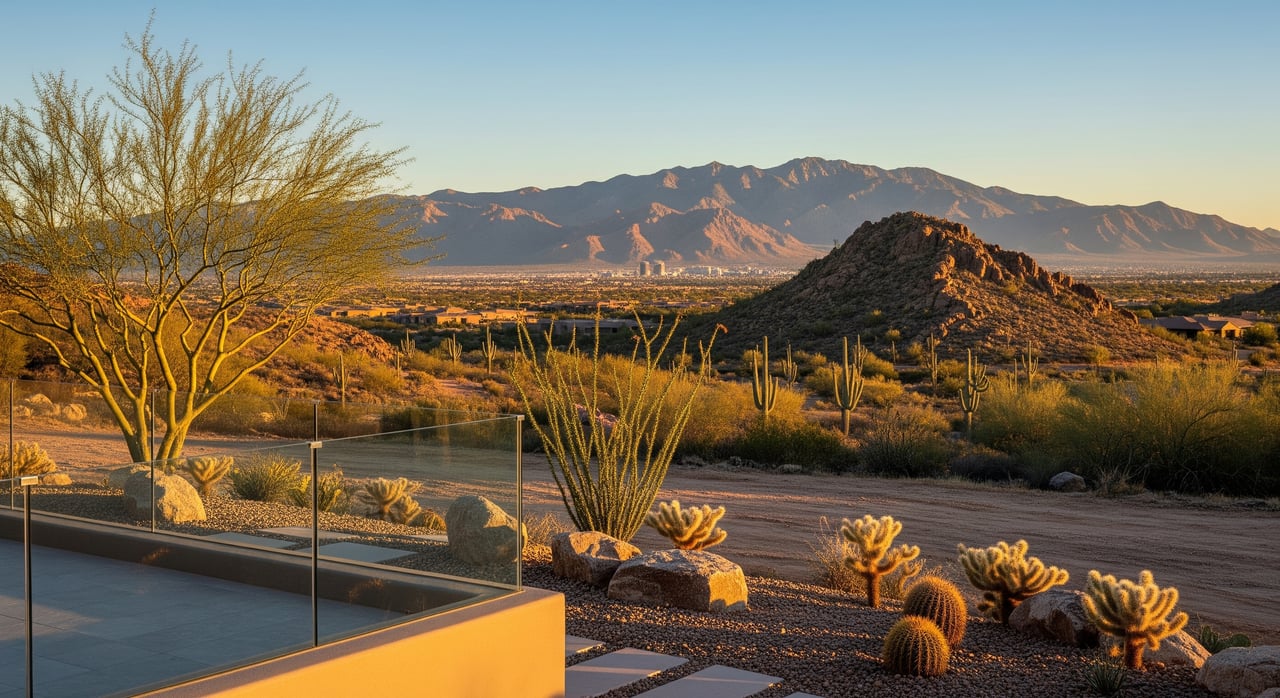
Is that jaw-dropping McDowell Mountain view worth the premium? It can be, but not all “view lots” are created equal. In McDowell Mountain Ranch, the right lot can deliver lasting mountain, preserve, and city-light vistas that elevate daily living and boost resale. The wrong one can surprise you with grading costs, HOA design limits, or a future neighbor that changes your view. In this guide, you’ll learn how to evaluate view quality and permanence, understand buildability and rules, and structure due diligence so you can buy or sell with confidence. Let’s dive in.
What counts as a view here
Mountain, city, desert and sunset
McDowell Mountain Ranch sits along the foothills in the Sonoran Desert, so you’ll see a mix of scenic options. Buyers often prize McDowell Mountain ridgeline views, valley and city-light panoramas, and open desert or preserve corridors. Some homes face neighborhood open space or golf corridors. West-facing lots can capture dramatic sunsets, which are especially sought-after in this area.
Why orientation matters
Lot orientation shapes both your view experience and your home’s comfort. West-facing orientation emphasizes sunsets and evening glow. South exposure means more solar gain. North-facing orientations tend to be cooler with softer, diffuse light. Orientation influences energy use and HVAC loads, so it’s a lifestyle and cost consideration.
Elevation and sightlines
Elevation and vertical separation usually increase view breadth and reduce the chance of future blockage. Lots on higher terrain or near ridgelines can capture wider panoramas. That said, each homesite has a unique viewshed, so you should verify sightlines, not just rely on general elevation.
View quality vs view permanence
Not all beautiful views are equally secure. Distinguish between view quality and view permanence so you know what you’re paying for.
- View quality is the subjective wow factor. Think mountain silhouettes, sparkling city lights, or a pristine desert wash.
- View permanence is about how likely it is to last. Views over protected preserves or regional peaks are typically more stable than views across private, buildable parcels.
To gauge permanence in McDowell Mountain Ranch:
- Identify whether your view crosses protected open space, a recorded open area, or private lots that could be developed.
- Review adjacent parcels for building envelopes and maximum height allowances.
- Consider community build-out. In fully developed enclaves, the risk of future obstruction is lower than in areas with remaining vacant pads.
Buildability and site constraints
Slope, rock and grading
In hillside terrain, slope and shallow bedrock drive construction methods and cost. Steeper lots can limit the building footprint and increase grading, retaining, and excavation expenses. A geotechnical report and early grading input are critical to avoid surprises.
Building envelope and setbacks
Many hillside lots have defined building envelopes and setbacks that protect neighborhood sightlines or minimize grading. Always confirm recorded envelopes and setbacks before you assume you can expand, add a second story, or push outdoor living areas closer to the edge.
Washes and drainage
Ephemeral desert washes are common and often beautiful, but they come with rules. Wash-adjacent lots may have regulatory buffers and drainage requirements. Floodplain designations can add permitting steps and design constraints that affect pools, patios, or retaining walls.
Utilities and access
Verify sewer versus septic, water and gas availability, and any utility easements that could narrow your usable area. Also confirm driveway slope and garage placement feasibility on steeper streets.
HOA and city rules to know
McDowell Mountain Ranch has community CC&Rs and an architectural review process. The City of Scottsdale also regulates hillside development, grading, and permits.
- Community guidelines may limit home height, exterior colors, wall heights, landscaping choices, and where second stories can sit to protect neighborhood character and sightlines.
- City hillside and grading rules govern cut and fill, retaining walls, slope disturbance, and erosion control.
- Removing native trees or protected cacti usually requires permits or mitigation. Know the process before you clear vegetation.
- If a lot is adjacent to a wash or in a flood zone, additional restrictions and approvals may apply.
Aligning HOA approvals with city permits keeps your project on schedule and avoids costly redesigns.
Neighboring risk and future change
A stunning view across a vacant parcel today might look different tomorrow. To reduce risk:
- Map nearby vacant or platted lots and note their buildable pads and likely height envelopes.
- Look for recorded view easements or rights-of-way. Planned roads, utility corridors, or trail alignments can alter privacy and outlook.
- Ask about the community’s build-out stage. Fewer remaining buildable lots generally means lower future obstruction risk.
Environmental and safety factors
Hillside living comes with environmental considerations. Drought-tolerant brush can raise wildfire risk in some settings, and steeper slopes can need engineered drainage or retaining systems to manage erosion. While rare, archaeological or sensitive biological resources sometimes trigger additional review. Fold these possibilities into your feasibility timeline and insurance planning.
Who to hire and why
Build the right team early so you can make decisions with confidence.
- Surveyor: Commission a topographic survey for contours and an ALTA/Title survey to confirm boundaries and easements.
- Architect with hillside expertise: Optimize siting, preserve privacy, and capture key view corridors.
- Civil/Grading engineer: Prepare grading and drainage plans that meet hillside and HOA standards.
- Geotechnical engineer: Test for shallow bedrock, bearing capacity, and any expansive soils to inform foundations and retaining systems.
- Structural engineer: Design retaining walls and specialty foundations as needed.
- Landscape architect or native-plant consultant: Create desert-appropriate designs that protect views and meet HOA and water-use rules.
- Arborist or cactus specialist: Manage protected plant removal or relocation and required mitigation.
- Environmental consultant: Engage if washes, endangered species habitat, or archaeological concerns are suspected.
Permits and approvals
Expect to coordinate with the City of Scottsdale for building, grading, retaining wall, and pool permits, and with the HOA’s architectural review committee for design approvals. If you plan to remove native vegetation or work near a wash, start those permits early. Confirm water and sewer connections and any impact or utility fees so you can budget accurately.
Due diligence checklists
Before you write an offer
- Verify jurisdiction and parcel data through assessor records.
- Pull the preliminary plat, parcel map, and recorded building envelope.
- Study aerial and street-level imagery at different times of day or year.
- Ask about recorded easements, neighbor building plans, and HOA restrictions.
- Check flood maps and county flood control resources for washes or floodplain designations.
- Contact City planning to understand hillside rules, allowable lot coverage, and height limits.
- Request any past HOA approvals or plan sets to learn what has been allowed.
After you go under contract
- Include contingencies for surveys, geotechnical report, CC&R review, and permitting feasibility.
- Commission a viewshed or sightline study from your architect or engineer to model worst-case neighboring build scenarios.
- Obtain cost estimates for grading, retaining walls, and specialized foundations before you waive contingencies.
- Confirm utility availability and connection costs with the city and providers.
- If vegetation removal is expected, confirm permits and mitigation plans in writing.
Valuation and resale
What drives premiums
Buyers pay more for rarity, breadth, and certainty. Unique ridgeline panoramas, unobstructed city-light vistas, and views across protected preserve land tend to command stronger premiums. Usable outdoor living spaces that frame the view, like patios, pools, and viewing decks, also elevate value.
Appraisals and financing
Appraisers adjust for view quality, but they need comparable sales with similar view characteristics. If your view is highly unique, appraisal support can be more challenging. Be prepared to present strong comps and clear descriptions of the view attributes.
Costs that affect net value
Steeper or rocky lots often require more expensive grading, retaining, and foundation systems. These costs can narrow margins for new builds or major renovations, so weigh them against the expected view premium. Lenders can require extra inspections on hillside sites, and insurance may cost more in areas with wildfire risk or complex access.
Resale considerations
Buyer preferences vary. Some prioritize broad views at any cost, while others value single-level layouts or lower maintenance. Homes that make the view easy to enjoy for most buyers, day and night, tend to resell more smoothly.
Tips for sellers of view homes
- Lead with the view: Schedule media to capture golden-hour sunsets and clear morning panoramas. Offer both day and night photography to showcase city lights.
- Frame the outlook: Trim or shape vegetation to preserve primary sightlines, following native plant rules and required permits.
- Clarify permanence: Provide recorded building envelopes, parcel maps, and any view-related easements to reduce buyer uncertainty.
- Prepare documentation: Share past HOA approvals, surveys, and geotechnical reports if available. Transparency builds trust and can speed escrow.
- Stage outdoor living: Arrange seating, lighting, and pool areas to direct attention toward the best vistas.
Common mistakes to avoid
- Assuming a great view is permanent without checking neighboring build rights.
- Underestimating grading, retaining, or rock excavation costs on sloped lots.
- Skipping HOA and city hillside rules until late in design, causing delays.
- Ignoring drainage and wash buffers that shrink usable yard space.
- Believing the HOA will protect your exact view without recorded protections.
- Waiving critical contingencies before you have surveys, geotechnical data, and sightline studies.
Ready to evaluate a lot?
You deserve clear answers before you commit to a premium view. With local knowledge of McDowell Mountain Ranch’s micro-locations, HOA standards, and hillside requirements, I help you separate view quality from view permanence, budget the real costs, and position your purchase or sale for success. If you’re considering a view lot or preparing to list your view home, let’s talk about the smartest path forward with Christina Rathbun.
FAQs
How do I confirm if a view is permanent in McDowell Mountain Ranch?
- Map whether your view crosses protected preserve or public open space versus private parcels, then review adjacent building envelopes, height limits, and any recorded view easements to model worst-case future scenarios.
What inspections are essential before buying a hillside lot in Scottsdale?
- Prioritize a topographic and ALTA survey, a geotechnical/soils report, and a viewshed or sightline study, plus early input from a civil engineer on grading and drainage.
Do west-facing lots cost more to cool in the desert?
- They can, because west exposure brings stronger afternoon and evening sun; plan shading, glazing, and HVAC strategies to manage solar gain while keeping the sunset view.
Can HOA rules limit a second story in McDowell Mountain Ranch?
- Yes, CC&Rs and architectural review guidelines can limit visible massing, height, and placement to protect neighborhood sightlines; review them before designing or buying.
Will building near a wash affect my plans?
- Likely, since washes often carry buffers and drainage requirements; expect additional design and permitting steps for pools, patios, or retaining walls near these areas.
How do appraisers value views in McDowell Mountain Ranch?
- Appraisers make adjustments based on view quality and compare against sales with similar view characteristics; unique vistas can make support more challenging if comps are limited.