Pricing a luxury home in Gainey Ranch is not about chasing the highest number. It is about setting a price that the market will defend, so you attract qualified buyers quickly and protect your net. If you are thinking about selling, you want a clear plan, not guesswork. In this post, I’ll show you exactly how I build a data-backed price for Gainey Ranch and how that strategy translates into a stronger sale. Let’s dive in.
Define the Gainey Ranch market first
Before I run numbers, I define the micro-market. Gainey Ranch is a gated, amenity-rich community in the Scottsdale area, and buyers compare homes here to recent sales inside the gates and to a few adjacent high-end enclaves. Citywide stats are too broad for precise pricing.
In this community, buyers focus on privacy, views, proximity to Old Town Scottsdale and retail, and lifestyle perks like golf and clubhouse access. Their priorities help explain why two similar floor plans can sell very differently. Seasonality also matters. Winter often brings more out-of-state buyers, which can affect showing activity.
I also verify specifics that shape value and buyer pools, like which enclave you are in, what the HOA covers, and whether memberships or guest-house rules apply. These details influence demand and pricing power.
My pricing framework
Start with the best comps
I begin with the local MLS to pull closed sales from the last 6 to 12 months inside Gainey Ranch. If turnover is low, I may extend to 12 to 24 months, then weight recent sales more heavily. I review closed, pending, and active listings, and I note days on market and any price changes. Closed sales carry the most weight, while actives help me gauge current competition and buyer expectations.
When comps are sparse or unique
Luxury homes often have features that do not repeat, so I pair comps carefully and use three cross-checks:
- Paired-sale analysis: If two homes are nearly identical except for a view or a pool, I use the price gap to quantify that feature’s value.
- Price per square foot with feature overlays: I calculate a local range, then adjust for lot, view, condition, and outdoor living. In luxury, per-square-foot is a cross-check, not a primary method.
- Cost perspective: For highly custom properties, I consider replacement cost and land value to sanity-check the comp set.
Weight what matters most
I prioritize closed sales inside your enclave or the closest match, and I document every adjustment. If a comp is older, I adjust for timing. If it has a premium view or a recent renovation, I note that and apply a reasoned adjustment supported by paired sales where possible.
Document every adjustment
Every price move should have a rationale. I keep an appraisal-style comp book that explains each adjustment for features, time, and condition, with sources like MLS data, Maricopa County property records, and HOA documents. This reduces appraisal risk and gives buyers confidence in your price.
What drives value in Gainey Ranch
Lot and views
Lot position and orientation matter. Corner lots with privacy, homes backing to greenbelts or golf vistas, and southwest exposures with strong sunsets often command a premium. Mountain or golf-course views can add measurable value, which I support with local paired-sale comparisons.
Condition and finishes
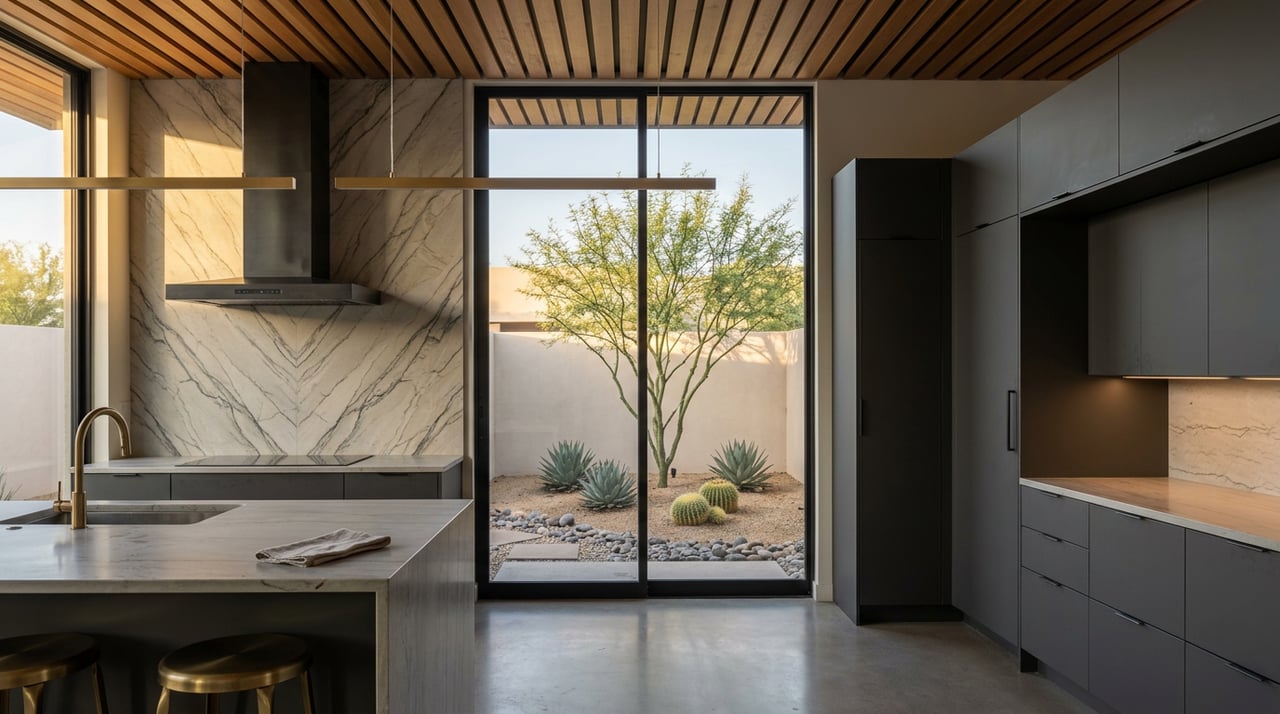
Buyers in this range are sensitive to quality. High-end appliances, custom millwork, smart-home systems, and recent renovations influence value beyond simple square footage. Outdated finishes can suppress offers even if the structure is solid.
Outdoor living and pool quality
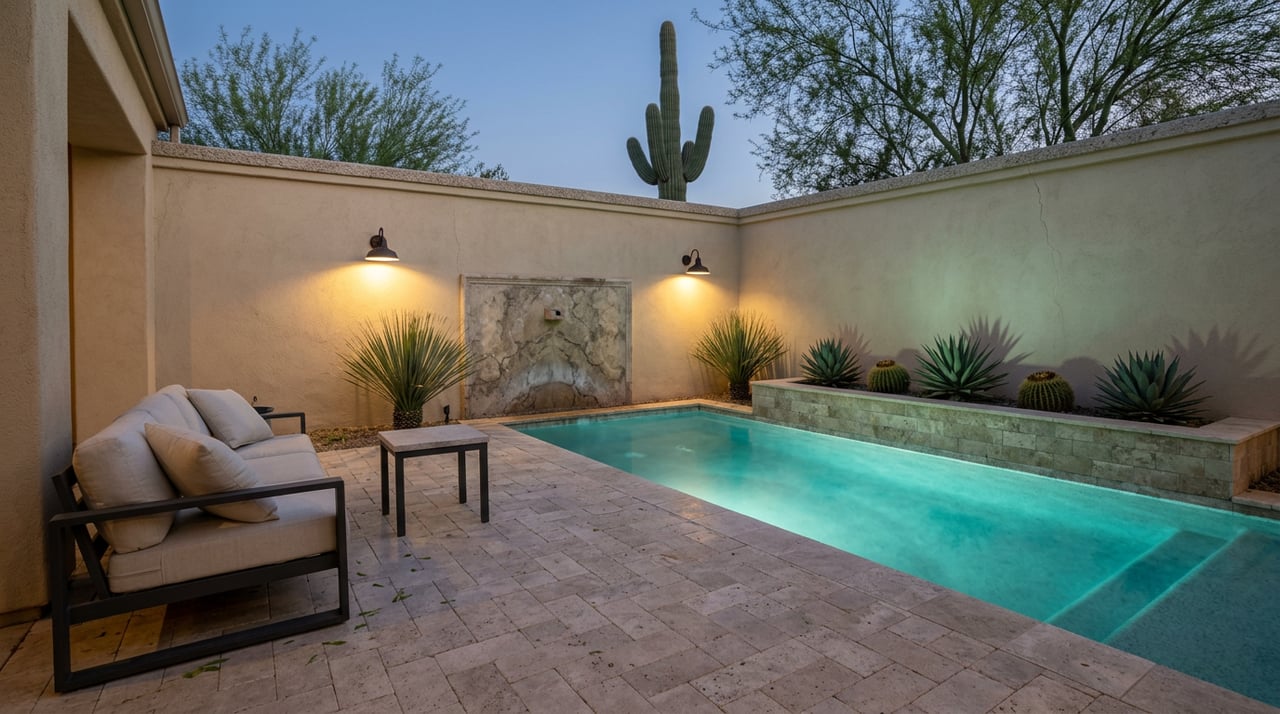
In the Phoenix market, outdoor space is part of your living area. Thoughtful landscaping, shaded patios, well-integrated pools and spas, and outdoor kitchens improve desirability. A dated pool can be neutral or a negative, while a turnkey system can support a stronger price.
Floor plan and livability
Single-level living, a well-placed primary suite, and a guest casita or ADU when allowed can widen your buyer pool. Flow and privacy matter, especially for seasonal owners hosting family and guests.
Parking and storage
Oversized or climate-controlled garages and organized storage can add value for buyers with seasonal gear, cars, or hobbies. These features do not always show up in basic comps, so I account for them intentionally.
HOA, taxes, and due diligence that affect price
Pricing is not only about features. Buyers in luxury communities look closely at ongoing costs and legal clarity. I verify:
- HOA dues and what they cover, including security, landscaping, and access to amenities. Higher dues that include valuable services may be a net positive for some buyers.
- Any special assessments, capital projects, or HOA rules that affect rentals, guest houses, or additions.
- Current property taxes and assessed values through Maricopa County records.
- Title items, recorded easements, and encroachments that might affect usable lot area.
- Permits and contractor documentation for major renovations and systems like roof, HVAC, pool, and electrical.
Solid documentation builds buyer trust and reduces the likelihood of price erosion during escrow.
Pricing strategy and timing
Choose the right list price band
The goal is to maximize your net while minimizing days on market. I anchor your list price to defensible comps and present the comp book to support premium features. I also consider common price bands that buyers filter by, which can affect search visibility.
Pre-market feedback and soft launch
Before going live, I gather broker opinions and invite a small set of high-probability buyers for private previews. That feedback helps confirm the price or fine-tune it. Depending on the strategy and MLS rules, a short soft-launch phase can build momentum before a broad release.
Marketing that supports price
In luxury, presentation and distribution matter. I invest in professional photography, video, twilight and aerial shots, and 3D tours. I also coordinate a targeted rollout through luxury channels, private broker networks, and property websites. Strong merchandising does not replace pricing, but it supports it by improving perceived condition and reach to qualified buyers.
When to adjust
I set clear checkpoints to review price and strategy. If showings are low relative to nearby listings, if new supply enters with stronger features at similar prices, or if rates shift materially, we reassess. Typical review cadence is at 30, 45, and 60 days, based on feedback and activity.
Appraisal and financing readiness
Many luxury buyers use jumbo loans or pay cash. Either way, I prepare for the appraisal with a complete package: location comps, a detailed upgrades list with dates and receipts, and professional reports on condition when available. If an appraisal comes in tight, the documented rationale often helps the lender-supported value catch up to the market reality.
Step-by-step plan I follow
- Gather the property baseline: legal description, lot size, interior square footage, bed and bath counts, year built, renovations, permits, and HOA details.
- Pull the best MLS comps from the past 6 to 12 months. If needed, expand to 24 months and adjust for time.
- Interview local brokers to capture private or off-market sales that may not appear in public records.
- Run a price-per-square-foot cross-check and paired-sale analysis to build a low, mid, and high value range.
- Create an appraisal-style comp book that documents every adjustment and the supporting rationale.
- Set the list price strategy to align with your goals and the marketing plan, and finalize staging and media.
- Pre-market to a targeted buyer list and host broker previews to validate the price before public launch.
- Track showings, feedback, and offers, then review price and strategy at pre-set intervals.
What this means for your sale
A strong price in Gainey Ranch is supported by local comps, clear adjustments, and buyer-ready presentation. You get more qualified showings, fewer surprises during appraisal, and a smoother path to closing. The result is a premium that the market can defend, delivered with a plan you can see and trust.
If you would like a private, data-backed valuation for your Gainey Ranch home, I would love to help. Reach out to Christina Rathbun for a confidential conversation and a custom pricing plan.
FAQs
How long do luxury homes in Gainey Ranch usually take to sell?
- Luxury properties often take longer than the broader market; I set 30 to 60 day review points to adjust strategy based on showings, feedback, and competing inventory.
How do you justify a price above recent comps in Gainey Ranch?
- I use paired-sale comparisons, documented upgrades, lot and view premiums, and credible broker intelligence on private sales, then back it with a detailed comp book.
Should we stage our Gainey Ranch home before listing?
- High-quality staging, photography, and video can increase interest and reduce days on market, which supports a stronger final price relative to unstaged peers.
Do HOA dues and assessments affect my sale price?
- Yes, buyers weigh monthly dues and any special assessments against the services and amenities provided, so I position these costs clearly in the pricing strategy.
What happens if the appraisal comes in low on a jumbo loan?
- I present a full appraisal package with comps and upgrades to support value; if needed, we consider negotiations, a price adjustment, or alternate financing options.