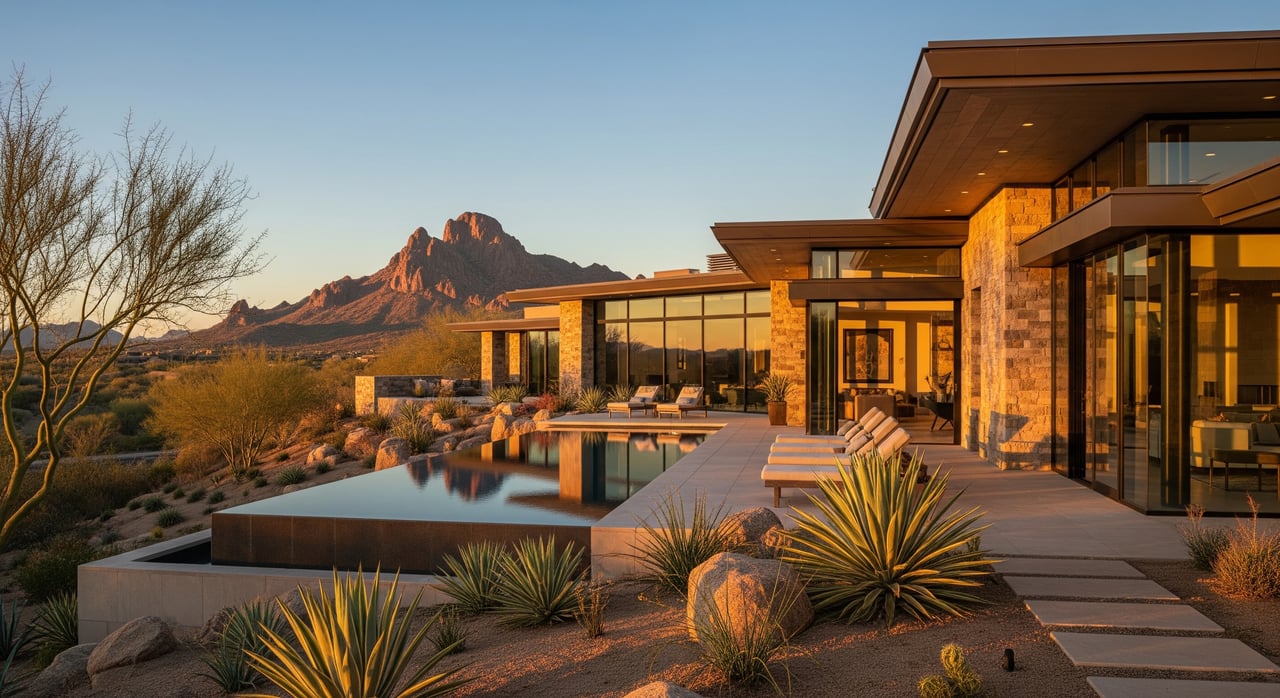
Wondering when to list your Pinnacle Peak home for the best results? Timing matters here because buyer demand in greater Phoenix rises and falls with weather, school calendars, and snowbird traffic. You want top dollar and a smooth sale, without guessing. In this guide, you’ll learn how seasonality works in Pinnacle Peak, the pros and cons of each window, and how to prep your home for any market. Let’s dive in.
Pinnacle Peak seasonality at a glance
The Maricopa area follows a clear pattern:
- Late winter to late spring, roughly February through May, is the peak selling season with stronger buyer traffic and more competitive offers.
- Summer slows, especially June through August, as extreme heat reduces showings and price reductions become more common.
- Early fall often brings a modest pickup as buyers return from summer routines, though it’s usually not as strong as spring.
- Late fall into winter can be quieter, yet motivated out-of-area and seasonal buyers may still be active and inventory is often lower.
This rhythm is shaped by weather, family moves tied to the school calendar, and migration from colder states in winter. If you want maximum exposure, the late January through April window typically offers your best shot at heavy buyer activity.
When should you list? Timing windows
Late January to April: Spring window
- Pros: Highest buyer traffic, faster sales, and stronger price competition are common.
- Cons: More listings hit the market, so you must price and present your home to stand out.
- Good fit if: You want the broadest demand and are ready to execute a polished launch.
May to August: Heat of summer
- Pros: Motivated relocators and investors still buy, and families aim to move between school years.
- Cons: Fewer showings in extreme heat, longer days on market, and more negotiation on price.
- Good fit if: Your home shows well online, AC and pool are in excellent shape, and you’re realistic on pricing.
September to November: Fall window
- Pros: Buyers return after summer, competition is lighter than spring, and many want to close before year-end.
- Cons: Demand is solid but not spring-level, and holidays can compress timelines.
- Good fit if: You want a balance of visibility and manageable competition.
December to January: Holidays and winter
- Pros: Lower inventory means less competition, and holiday-season buyers tend to be serious.
- Cons: Fewer buyers overall and showings can be harder to schedule.
- Good fit if: You value privacy, want a focused sale, and will price to the market.
What can override seasonality
- Inventory and months of supply. If inventory is extremely low, you can list outside spring and still achieve strong results.
- Mortgage rates. Lower rates expand the buyer pool, higher rates can slow demand and lengthen marketing times.
- New construction nearby. Builder releases can shift demand away from resales, so pricing and timing must account for that.
- School calendars. Family buyers often search in late winter and spring to target summer closings.
- Property type and features. Outdoor living, pool, and view homes often show best in spring and fall; energy-efficient upgrades can help a summer listing perform.
Prep that pays off in any season
A well-prepared Pinnacle Peak home sells faster and for more. Focus on the high-impact items buyers notice and inspectors flag.
Critical maintenance
- HVAC: Service the system, replace filters, clean coils, and confirm refrigerant levels.
- Pool and spa: Keep water sparkling and equipment serviced.
- Roof and exterior: Check for heat-related wear, clear gutters, and verify flashing.
- Irrigation: Repair valves and test zones so desert landscaping looks healthy.
- Pest control: Schedule service and address any scorpion or pest concerns.
Curb appeal and exterior
- Desert landscaping: Use drought-tolerant plants, clean gravel beds, and trim shade trees.
- Turf: Keep lawns irrigated and healthy or remove dead turf before photos.
- Freshen paint: High sunlight fades exteriors, so a clean wash or repaint elevates first impressions.
Staging and media
- Highlight outdoor living: Stage patios, shade structures, fireplaces, and outdoor kitchens.
- Photography: Use early-morning or twilight shoots for flattering desert light and showcase the pool when pristine.
- Remote-friendly: Offer virtual tours, floor plans, and neighborhood maps for out-of-area buyers.
HOA and inspections
- HOA and CC&R review: Confirm rules for paint colors, landscaping, signage, and approvals before listing.
- Pre-listing inspection: Identify HVAC, roof, electrical, or plumbing issues and address safety items up front.
The data to watch before you list
Ask your agent for neighborhood-level stats for the last 24 to 36 months. Focus on:
- Median sale price by month
- Number of active listings and closed sales by month
- Median days on market by month
- Sale-to-list price ratio by month
- Months of inventory or absorption rate
Look at rolling 12-month views to smooth out noise, then compare spring spikes to other seasons. Also review recent comps in your micro-area to benchmark pricing and expected time to sell.
Match your goals to a timeline
- Highest price and strong competition: Target late January through April, then invest in presentation and broad marketing.
- Faster sale with less hassle: Consider late fall or winter with a competitive price and pre-listing inspection to reduce surprises.
- Privacy and minimal overlap with showings: Holiday season can work, with clear timelines and strong digital assets.
- Target out-of-area or seasonal buyers: Lean into virtual tours, weekend availability, and flexible closing windows.
Smart marketing for Pinnacle Peak buyers
- Professional staging and photography: Present a lifestyle, not just rooms.
- Twilight, drone, and video: Capture views, outdoor amenities, and the lot.
- Broad online exposure: High-quality listing syndication and a dedicated property page.
- Coming soon strategy: Build interest ahead of launch if your HOA permits signage and your timeline allows.
- Open houses during peak windows: Align with spring weekends and key seasonal travel periods.
Your next step
If you’re 30 to 90 days from listing, the most valuable move is a custom market snapshot tied to your property’s features, the current months of inventory, and recent Pinnacle Peak comps. I’ll help you weigh timing trade-offs, map a prep checklist, and build a launch plan that maximizes your outcome with concierge marketing and clear strategy.
Ready to pick your date and plan the details? Connect with Christina Rathbun for a pricing consult and a personalized listing timeline.
FAQs
What month is best to sell in Pinnacle Peak, Maricopa?
- Late January through April typically delivers the strongest buyer traffic and price competition, though current inventory and rates should guide your final decision.
Is summer a bad time to list in Pinnacle Peak?
- Summer can work, but heat lowers foot traffic and often lengthens days on market, so ensure top-tier AC and pool presentation and price competitively.
How do mortgage rates change the best time to list?
- Lower rates expand the buyer pool and can boost competition in any season, while higher rates may slow demand and increase negotiation.
What should I fix before listing a desert home?
- Prioritize HVAC service, roof and exterior checks, irrigation repairs, pest control, and pool maintenance, then tackle high-impact cosmetic updates.
How far in advance should I start preparing my home to sell?
- Start 60 to 90 days ahead to complete maintenance, plan staging and media, and time your launch for the best seasonal window.