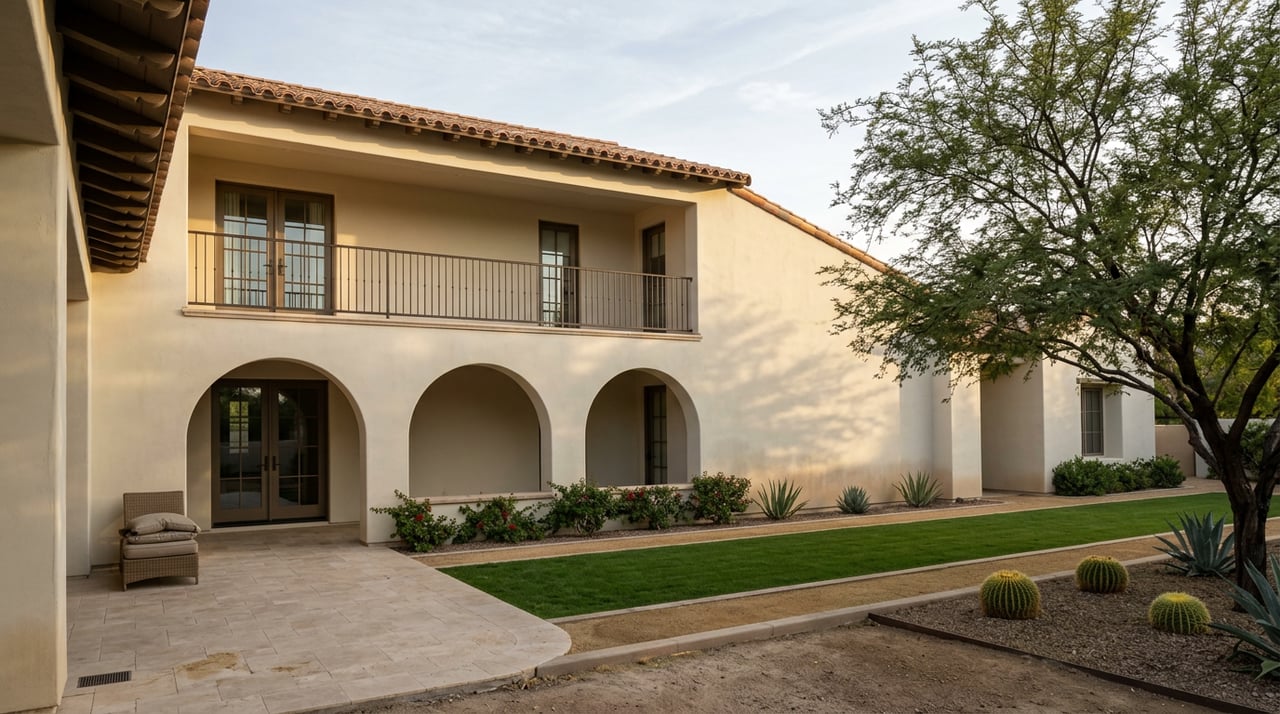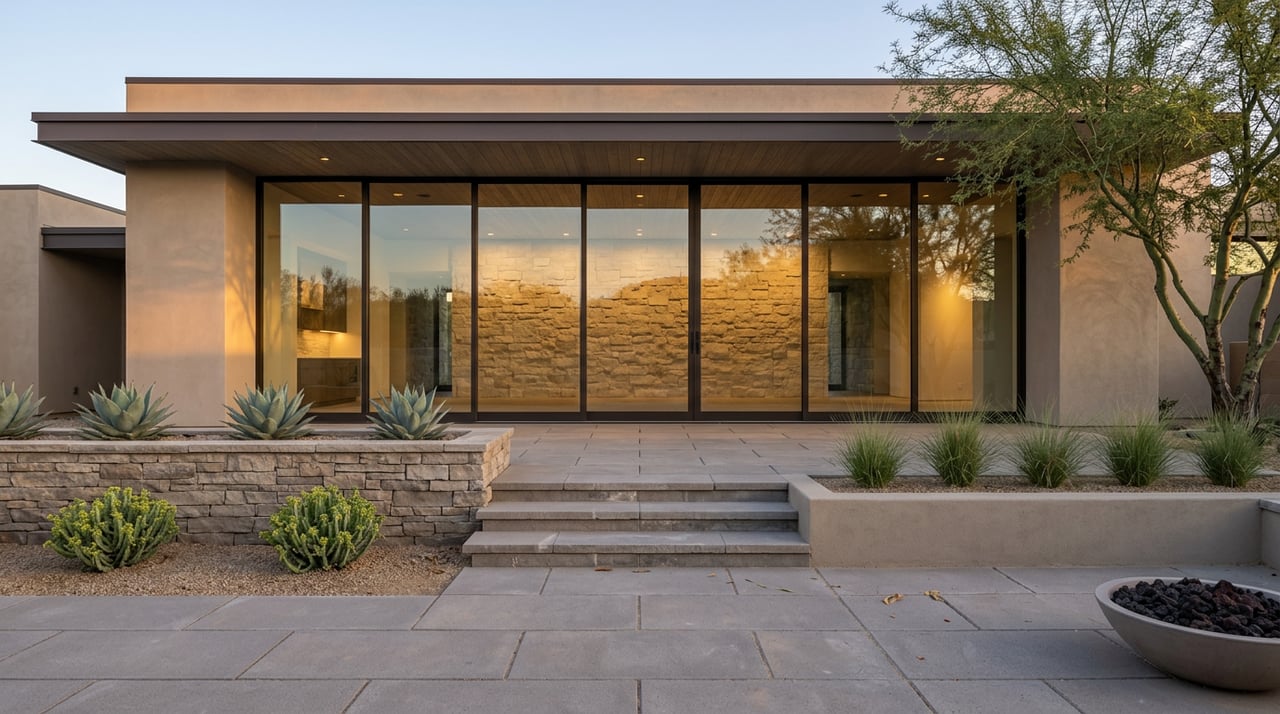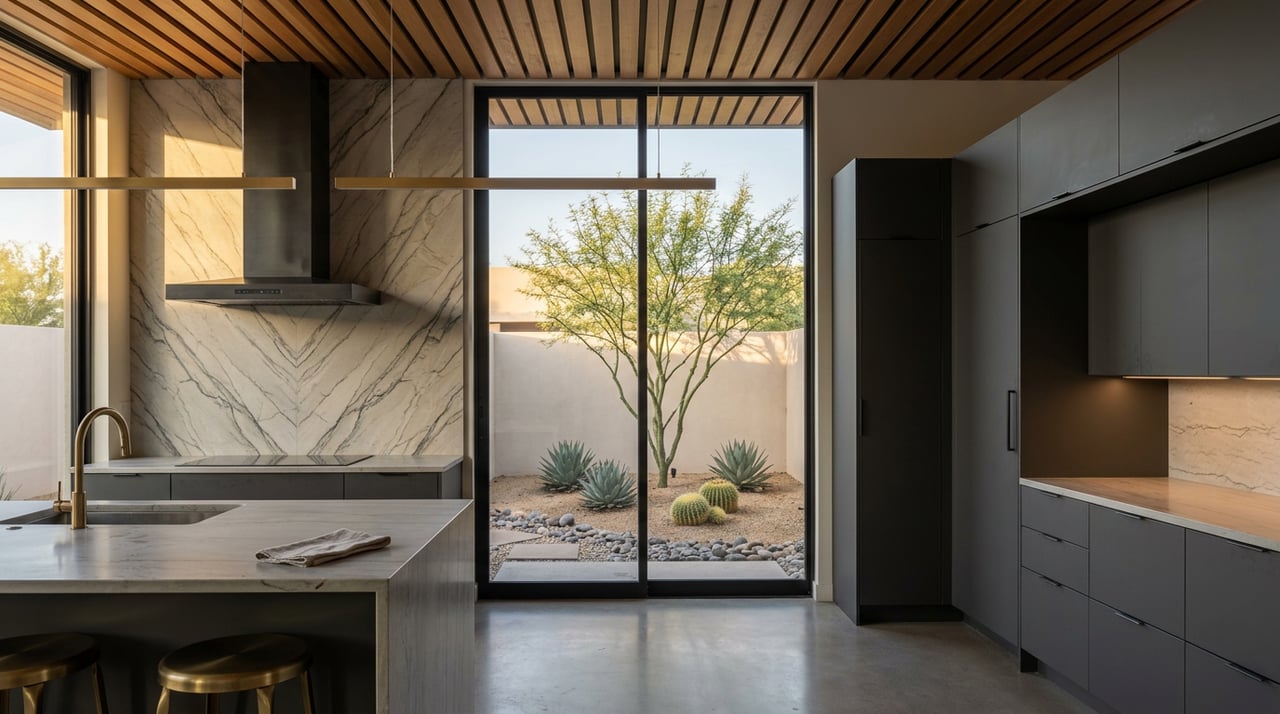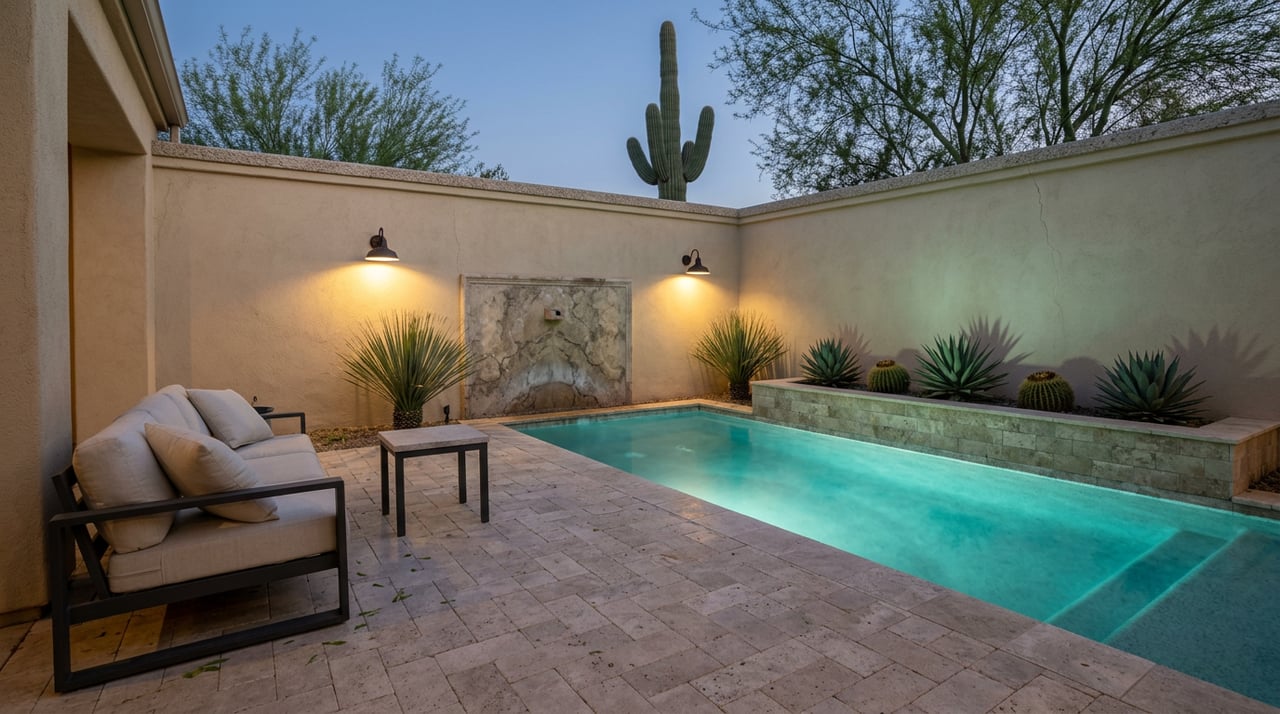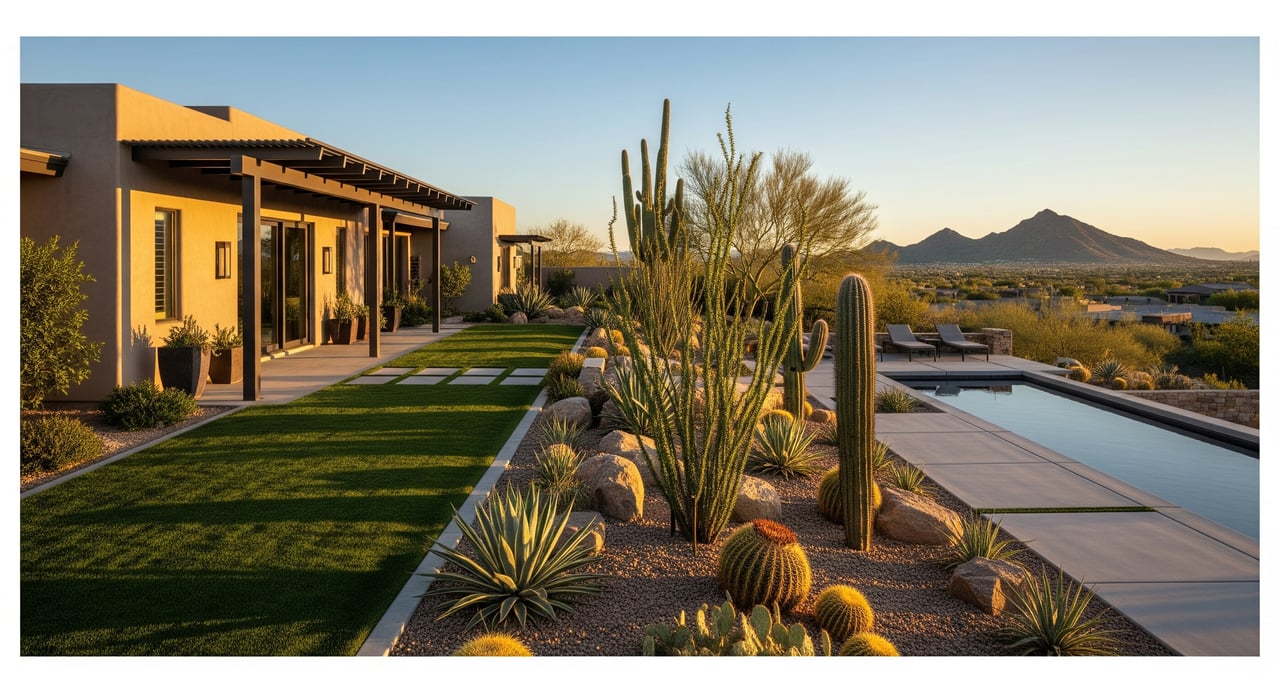
Trying to choose between a lush lawn and a desert‑wise yard for your Carefree home? The decision shapes your water bill, weekend schedule, and how your outdoor spaces feel year-round. In the Sonoran Desert, the right landscape can save water, boost comfort, and support a strong resale. This guide compares desert landscaping and turf in Carefree so you can plan with confidence. Let’s dive in.
Carefree climate and water reality
Carefree sits in the Sonoran Desert, with hot, dry summers and mild winters. That climate makes outdoor water use a major factor for homeowners. The State emphasizes long-term conservation, and outdoor irrigation can be a large share of household use. The Arizona Department of Water Resources offers statewide context on supply and conservation goals.
National programs also focus on cutting outdoor use through smarter design and irrigation. The U.S. EPA’s WaterSense guidance highlights efficient irrigation and plant choices that reduce waste in arid climates.
Water use: desert vs turf
A well-designed desert landscape with native or drought-tolerant plants generally needs far less supplemental irrigation than an irrigated lawn. In Carefree, grouping plants by water need, using drip irrigation, and adding mulch can decrease runoff and evaporation. See practical tips and alternatives from the Arizona Municipal Water Users Association.
If you prefer turf for play or pets, you can still lower water demand by downsizing the lawn to a small “island,” installing high-efficiency nozzles, and using a smart controller. The EPA WaterSense program explains how weather-based timers and soil moisture sensors help avoid overwatering.
Costs: upfront and long term
Installation costs vary widely. Desert landscaping can be modest if you choose smaller plants, rock or decomposed granite, and simple drip lines. Costs rise when you add mature shade trees, stonework, or custom lighting. Turf has a more predictable per-square-foot installation cost, with sod usually higher than seed.
Think in terms of lifecycle. Desert designs typically have lower ongoing costs for water, mowing, and fertilization. Natural turf requires regular irrigation in summer and periodic care like fertilizing, aeration, and overseeding, depending on the grass type. Artificial turf removes watering and mowing but comes with a higher upfront cost and eventual replacement.
Maintenance and daily living
Lawns need consistent upkeep: mowing, edging, fertilizing, pest control, and irrigation adjustments. Summer heat can stress turf, and seasonal transitions affect color and density.
Desert landscapes trade mowing for lighter, periodic tasks. Expect seasonal pruning, weed control, drip system checks, and occasional mulch refresh. If you include cactus or spiny plants, plan your layout to keep paths clear and safe for kids and pets.
Comfort and curb appeal
Turf and trees cool the immediate area through evapotranspiration. Desert designs can be just as comfortable when you add shade trees, vines on trellises, or pergolas. Rock and hardscape can hold heat in full sun, and artificial turf surfaces warm up quickly. The more living shade you include, the cooler your patio will feel at peak afternoon.
Curb appeal is about intention. A crisp desert design with color, texture, and strong structure can look elegant and high-end. For inspiration and plant ideas suited to our region, explore the Desert Botanical Garden’s plant resources.
Ecology and neighborhood fit
Native and desert-adapted plants support local pollinators and birds. Turf provides little habitat and often relies on more fertilizers and pesticides. If you live in an HOA, confirm what is allowed before you change materials or plantings. Review codes and permits through the Town of Carefree and check your CC&Rs for turf, rock, and visibility rules.
For plant-specific guidance and yard planning in Maricopa County, the University of Arizona Cooperative Extension offers regionally tested advice.
Resale insights in Carefree
Buyer preferences vary, but water-wise, well-kept landscapes often show well in the greater Phoenix luxury corridor. A tired lawn can drag down first impressions. A refined desert design with defined edges, healthy plantings, and a functioning irrigation system reads as turnkey and low maintenance.
If you plan to sell, focus on professional refresh and clear structure. Sparse rock without shade or color can feel unfinished. Thoughtful pathways, focal trees, and layered plantings signal quality.
How to decide: a simple framework
Ask yourself:
- How will you use the yard? Kids, pets, putting practice, or entertaining.
- What is your water budget and comfort with seasonal bills.
- What do your HOA and the Town allow for front and back yards.
- Do you prefer native plants only, or a mix of climate-adapted species.
- How much weekend time and budget do you want to spend on upkeep.
Smart turf and planting options
Consider these options for Carefree conditions:
- Warm-season turf: Common choices include Bermudagrass and zoysia. They tolerate heat but need regular summer irrigation.
- Smaller lawn islands: Keep a compact turf area for play, surrounded by desert beds to cut water and maintenance.
- Artificial turf: No irrigation or mowing. Expect higher upfront cost, warmer surfaces in full sun, and long-term replacement.
- Softscape alternatives: Decomposed granite, native gravel, and groundcovers paired with shade trees. Use seating areas, raised planters, or lawn strips for function and visual balance.
Recommended plants to anchor a desert design:
- Trees: palo verde, mesquite, desert willow, and palo blanco in suitable sites.
- Shrubs and accents: brittlebush, fairy duster, hop bush, penstemon, and salvia species.
- Succulents and cacti: agave, prickly pear, barrel cactus, and site-appropriate columnar cacti.
For site-specific choices and cultivars, consult the University of Arizona Cooperative Extension.
Irrigation tips that save water
Efficient irrigation makes the biggest difference in our climate. Start with these steps:
- Use drip irrigation for plant beds and matched precipitation sprinklers for any turf.
- Install a weather-based or soil moisture smart controller to avoid overwatering.
- Group plants by water needs so zones run only as long as needed.
- Mulch beds to reduce evaporation and moderate soil temperature.
- Audit the system each season to fix leaks and adjust runtimes.
The WaterSense irrigation tools offer calculators and guidance to dial in schedules.
Permits, HOAs, and rebates
Before you break ground, confirm HOA requirements and any Town approvals. Start at the Town of Carefree’s planning pages, then review your CC&Rs.
Many Arizona water providers offer rebates for turf conversion, irrigation upgrades, or smart controllers. Programs change, so check regional resources at the Arizona Department of Water Resources and AMWUA’s conservation pages, then contact your specific provider for current details.
A local guide you can trust
Your landscape choice should match how you live, your water goals, and your resale plans. If you want help weighing tradeoffs before you renovate or list, I am here to advise. From staged curb appeal updates to contractor introductions and pre-listing strategy, you can count on discreet, concierge guidance for the Carefree and North Scottsdale corridor.
Reach out to Christina Rathbun to plan your next step with confidence.
FAQs
Will replacing turf with desert plants hurt resale value in Carefree?
- A well-designed, maintained desert landscape often helps curb appeal and can align with buyer preferences for low-water, low-maintenance yards.
How much water can I save by removing lawn?
- Savings depend on your lawn size, plant choices, shade, and irrigation efficiency, but desert-adapted designs with drip and smart controllers typically use far less than irrigated turf.
Can I keep a small lawn for kids or pets?
- Yes. Many homeowners keep a compact turf area for play, then surround it with desert beds, shade trees, and seating to cut water and upkeep.
Are there rules on turf or rock in Carefree?
- Always check your HOA’s CC&Rs and the Town’s planning and zoning rules. Start with the Town of Carefree and confirm any approvals needed before construction.
Is artificial turf a good fit for the desert?
- It removes irrigation and mowing, but costs more upfront, can get hot in full sun, and will need eventual replacement. Placement and quality installation matter.
What plants do well in Carefree’s climate?
- Native and desert-adapted choices such as palo verde, mesquite, desert willow, brittlebush, fairy duster, agave, and prickly pear perform well; see the University of Arizona Cooperative Extension for site-specific guidance.