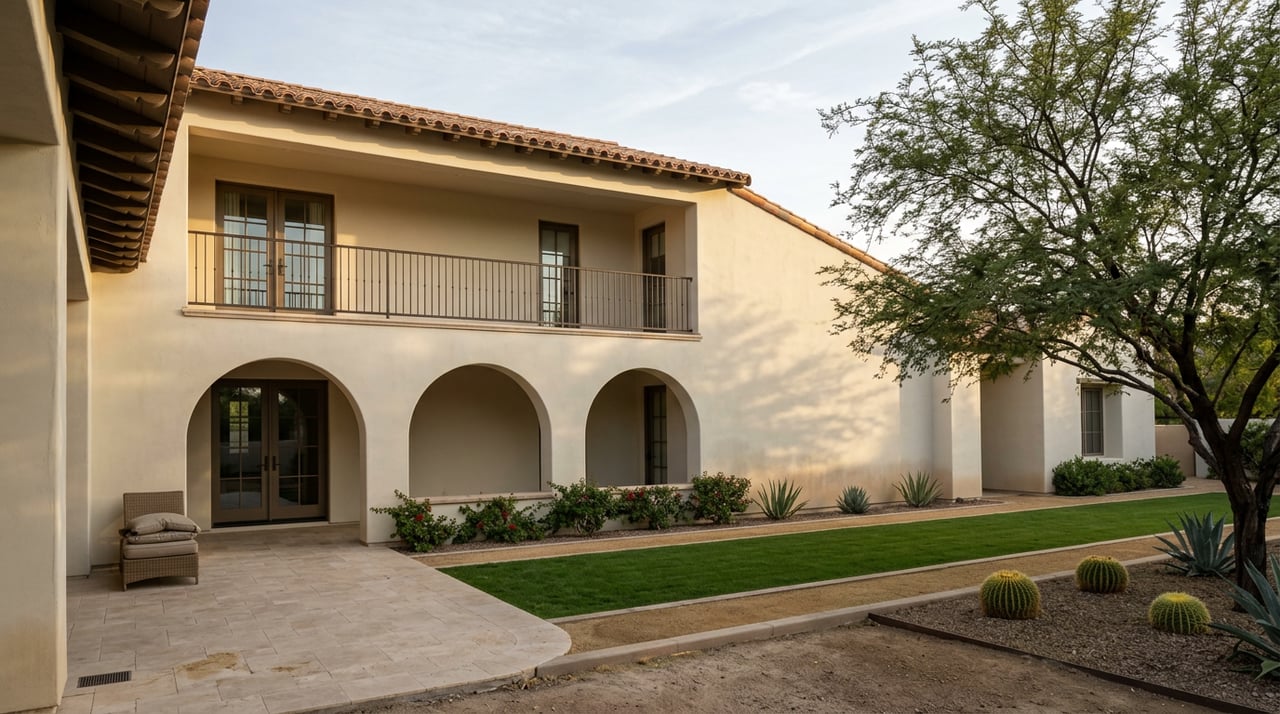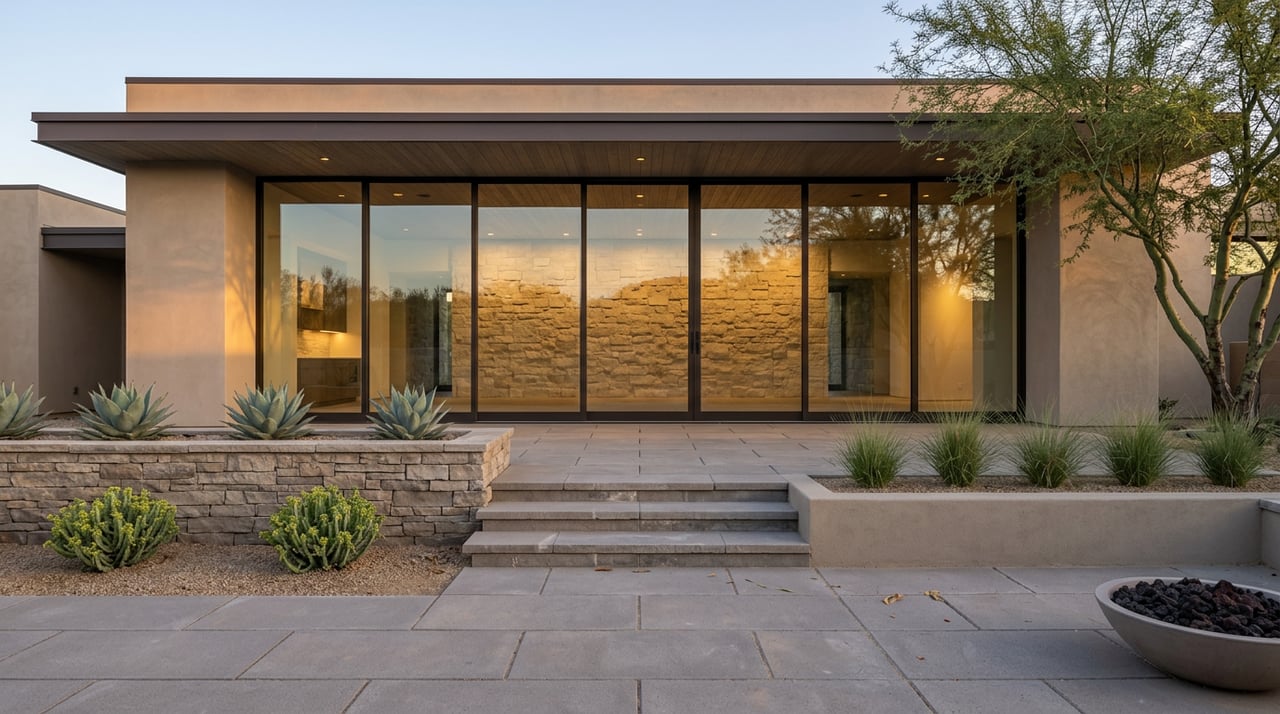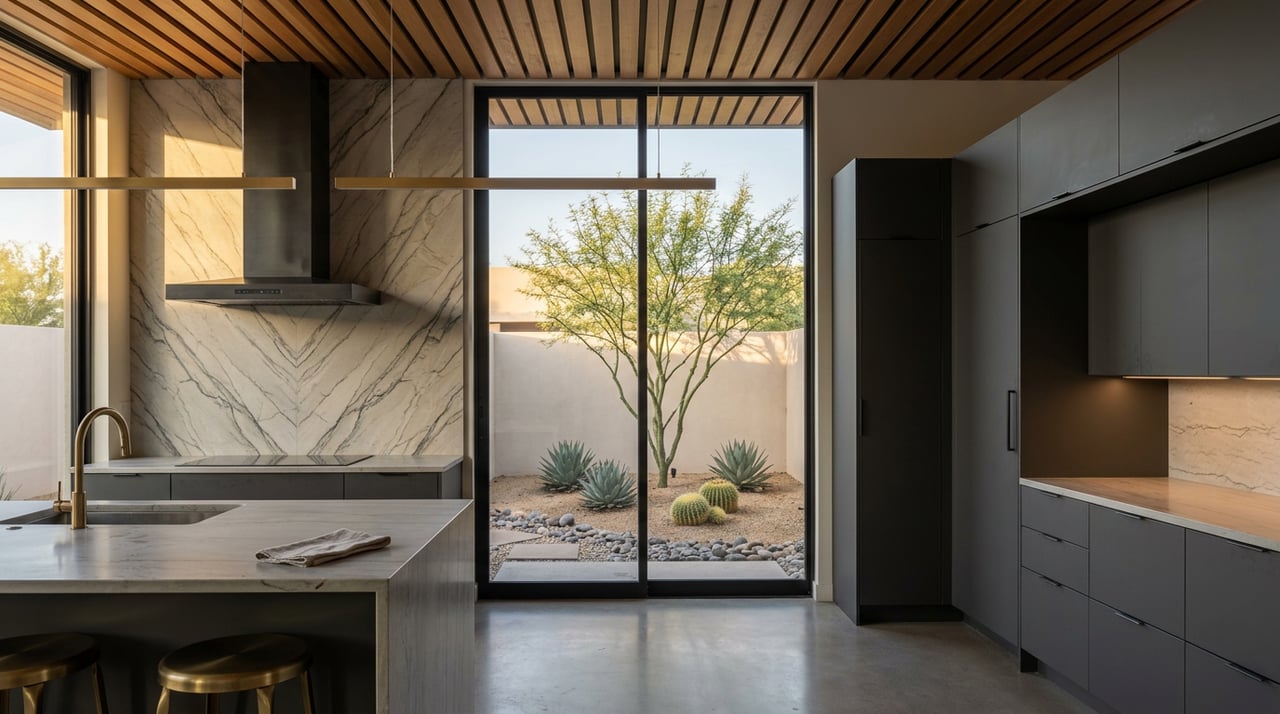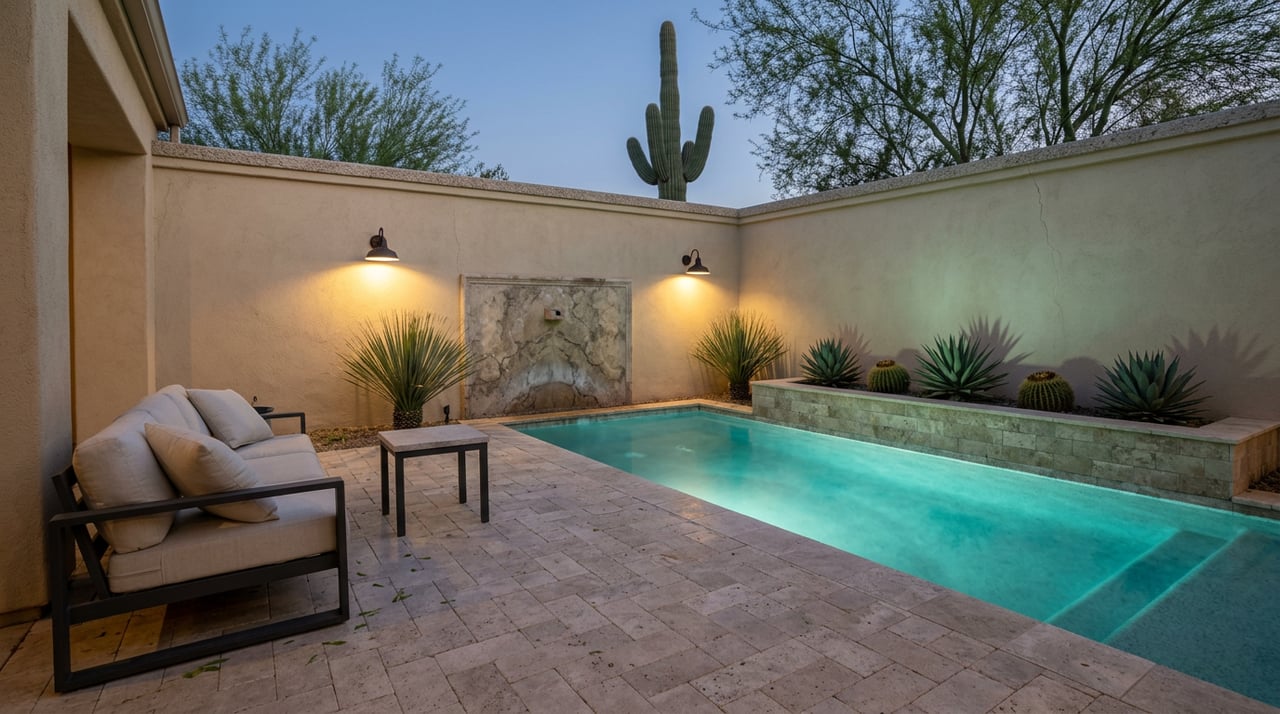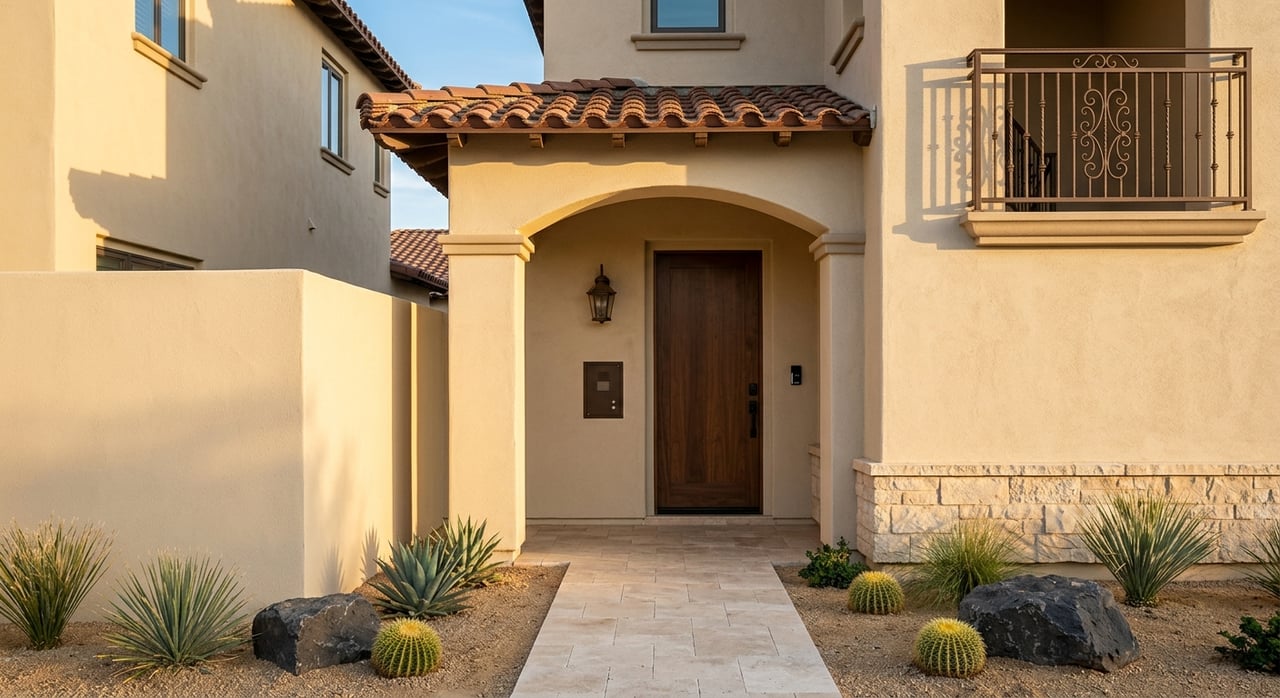
Imagine stepping off a flight, opening your front door, and finding everything just as you left it: cool air, secure entry, and zero lawn to worry about. That is the appeal of lock-and-leave condo living in Grayhawk. If you are weighing a seasonal or second-home purchase here, you want convenience without surprises. In this guide, you will learn how Grayhawk’s associations work, which condo features matter most, what to verify in HOA documents, and how Scottsdale’s rental rules affect your plans. Let’s dive in.
Why Grayhawk fits lock-and-leave
Master-planned structure and assessments
Grayhawk is organized under a master association, the Grayhawk Community Association (GCA), with multiple sub-associations and condo associations. Most owners pay the GCA assessment plus any village or condo dues specific to their neighborhood. The community’s official Schedule of Assessments shows which villages and condo communities have additional fees and how those are billed.
At the community level, GCA assessments fund services that make lock-and-leave practical. According to the GCA’s Assessment Breakdown, dues pay for 24-hour roving patrol, common-area maintenance and utilities, community lighting and irrigation, on-site management, administrative costs, and reserves for association property. These services support peace of mind when you are away.
Golf and dining at your doorstep
Two public championship courses, Talon and Raptor, sit right in Grayhawk, along with clubhouse dining options such as Quill Creek Café, Phil’s Grill, and Isabella’s Kitchen. For many second-home buyers, the ability to tee off or meet friends for dinner without leaving the neighborhood is a major lifestyle advantage. Explore the facilities on the Grayhawk Golf Club site.
Added security in the Retreat
Parts of Grayhawk sit within the guard-gated area known as the Retreat. Homes there pay both GCA and Retreat assessments, and residents benefit from a staffed gate along with the community’s roving patrol. Buyers seeking the most hands-off, secure experience often focus on Retreat properties or condo clusters where building management handles exterior maintenance. You can confirm which neighborhoods are inside the Retreat in the GCA Schedule of Assessments.
Grayhawk condos that fit lock-and-leave
What to verify in each sub-association
Grayhawk includes several condo and townhome communities commonly marketed as low-maintenance, including Vintage, Venu, Edge, Avian, Tesoro, Cachet, Encore, and Villages at Grayhawk. Each has its own association budget, insurance arrangements, and maintenance scope. The GCA Schedule of Assessments lists these sub-associations and notes when specific utilities or services are included.
Some complexes, like Tesoro, even break out differences by product type. For example, the schedule notes that certain Villas at Tesoro include water, sewage, and alarm monitoring, while Townhomes are listed separately. That level of inclusion is a true lock-and-leave benefit because it reduces vendor coordination while you are away. Always verify the exact inclusions for the unit you are considering with the condo manager.
Here is what to confirm for your target building and unit:
- Which costs are included in monthly or annual dues, such as water, sewer, trash, alarm monitoring, or limited utilities.
- What the association maintains, like exterior paint, roof, pool, and common-area landscaping.
- Whether parking is enclosed or covered and if storage is assigned or deeded to the unit.
- Any neighborhood-specific assessments in addition to the GCA baseline.
The due diligence that protects you
Must-have documents before you commit
A low-maintenance condo only works when the association is financially healthy and well run. Request these items early in your process:
- Current-year HOA budget and the last 2 to 3 years of financial statements. Ask for the operating and reserve balances. Guidance from the Community Associations Institute (CAI) explains why reserves matter in its Reserve Study & Funding policy.
- The most recent reserve study and the percent-funded figure. CAI’s Reserve Study Standards outline what a proper study should cover.
- The resale or estoppel package with CC&Rs, bylaws, financial disclosures, insurance declarations, and board minutes. Arizona requires timely delivery of certain disclosures. See the state framework summarized at FindLaw for ARS 33-1806.
- The master insurance declarations page and deductible, including whether coverage is bare-walls, single-entity, or all-in. Learn the differences in this condo master insurance overview.
- Board minutes for the last 12 to 24 months to check for capital projects, maintenance issues, or pending litigation.
Financial red flags to watch
Strong reserves and predictable dues help protect value and reduce the chance of surprise assessments. Red flags include:
- No current reserve study or a reserve balance that is far below professional recommendations, which CAI notes can lead to special assessments.
- Repeated or recent special assessments or unusually large fee jumps. Review 3 to 5 years of assessment history and compare across the GCA Schedule of Assessments.
- High delinquency rates on dues, which can strain cashflow. Ask the manager for an aged receivables report or a written confirmation of current delinquency.
Rentals and Scottsdale STR rules
If you plan to rent your condo seasonally, you need to clear two hurdles. First, City of Scottsdale rules apply. Short-term rentals under 30 days require an annual license, neighbor notification, proof of insurance, a local emergency contact available 24 hours, and specific on-site notices. You can review the city’s requirements on the Scottsdale short-term rental page.
Second, your HOA’s CC&Rs can still restrict or prohibit short-term rentals even if the city allows them. Do not assume a condo will permit STR activity. Always review the association’s rental policy and any caps, permits, or waitlists before you buy.
How to evaluate buildings and floorplans
Building-level checklist
Use this quick checklist to judge whether a complex truly supports lock-and-leave living:
- On-site staff or a responsive property manager. Confirm the process for work orders and typical response times. The GCA’s Pay Your Assessment page also lists management contacts for billing and association matters.
- Security features, such as a gated entry or guard gate in the Retreat, 24-hour roving patrol at the community level, controlled building access, cameras, and strong lighting. The GCA Assessment Breakdown outlines community-level patrol services.
- Included utilities or monitoring. When water, sewer, or alarm monitoring are covered in dues, your setup and away-time checklist get simpler. Confirm inclusions against the Schedule of Assessments and the condo’s resale packet.
- Enclosed garage or dedicated covered parking and storage. Secure spaces protect golf clubs and seasonal gear. Verify whether parking and storage are deeded or assigned.
- Clear maintenance scope. Read the CC&Rs to see what the HOA handles, including roof, exterior paint, pool, landscaping, and irrigation.
Unit-level checklist
Inside the unit, look for features that keep ownership simple and appealing at resale:
- Single-level floorplans or a primary suite on the main level to maximize everyday ease and long-term appeal.
- Dedicated in-unit laundry for convenience and security when you are gone for weeks at a time.
- Durable finishes like tile or luxury vinyl plank that handle seasonal turnover well.
- Smart thermostat and remote-access devices so you can manage HVAC and check status while you are away. Consider an HVAC service plan and pre-trip maintenance.
Operating your lock-and-leave smoothly
A short list of local contacts can save you time and stress:
- Vendor list with an HVAC contractor, plumber, and a reliable key holder or property manager. For rentals, Scottsdale requires a 24-hour emergency contact as part of its STR license rules.
- Monsoon and summer readiness. Schedule A/C service, check gutters and drainage, and document any seasonal maintenance.
- Mail, package, and gate access procedures. Ask the manager how deliveries and guest passes are handled and whether vendors need to be registered. The GCA’s Pay Your Assessment page is a good place to find management contacts for policy questions.
Resale considerations for seasonal buyers
If you think about resale from day one, you will make a better purchase:
- Units with enclosed garages, storage, minimal interior stairs, and professional management tend to attract both downsizers and second-home buyers.
- Proximity to the golf clubhouse and dining is a repeatable lifestyle draw. See what is on site at Grayhawk Golf Club.
- Transparent HOA finances, a recent reserve study, and a predictable history of assessments build buyer confidence. CAI’s Reserve Study & Funding policy explains the importance of long-term planning.
- Clear rental policies help buyers who may want seasonal rental flexibility later. Always verify both city rules and HOA CC&Rs.
Copy and send questions to the manager
Use these quick prompts when you email the listing agent or condo manager:
- Who is the condo management company, and how do I request the resale or estoppel package?
- Please provide the most recent reserve study, current reserve balance, and percent funded.
- What does the master insurance policy cover and what is the current deductible?
- Are water, sewer, alarm monitoring, or internet included in dues for this unit? If yes, please list each item covered.
- Are short-term or seasonal rentals permitted for this unit, and are there any caps, permits, or additional approvals?
- Any pending litigation or special assessments in the last five years?
Ready to find your Grayhawk lock-and-leave?
If you want a low-maintenance condo that truly fits the way you live, I can help you compare buildings, confirm HOA details, and focus on floorplans with strong long-term appeal. Let’s align on your wish list, then tour the right options on your schedule. Reach out to Christina Rathbun to start your Grayhawk search.
FAQs
What makes Grayhawk good for lock-and-leave owners?
- The GCA provides 24-hour roving patrol, common-area maintenance, on-site management, and reserves that support low-maintenance living, as outlined in the GCA’s Assessment Breakdown.
Are short-term rentals allowed in Grayhawk condos?
- Scottsdale requires a license and compliance steps for rentals under 30 days, and individual HOAs can still restrict or prohibit STRs in their CC&Rs, so verify both before you buy using the city’s STR guidance.
How much are Grayhawk HOA dues?
- Dues vary by village and condo association; most owners pay the GCA assessment plus any sub-association dues, which you can review in the official Schedule of Assessments.
What insurance do I need for a seasonal Grayhawk condo?
- Ask the HOA for the master policy declarations to learn if coverage is bare-walls, single-entity, or all-in, then set your HO-6 and loss-assessment coverage accordingly using this condo insurance overview.
Do I need to live inside the Retreat for better security?
- The Retreat adds a staffed guard gate and private amenities, while the broader community benefits from 24-hour roving patrol; confirm your target neighborhood’s assessments and features in the GCA Schedule of Assessments and Assessment Breakdown.